
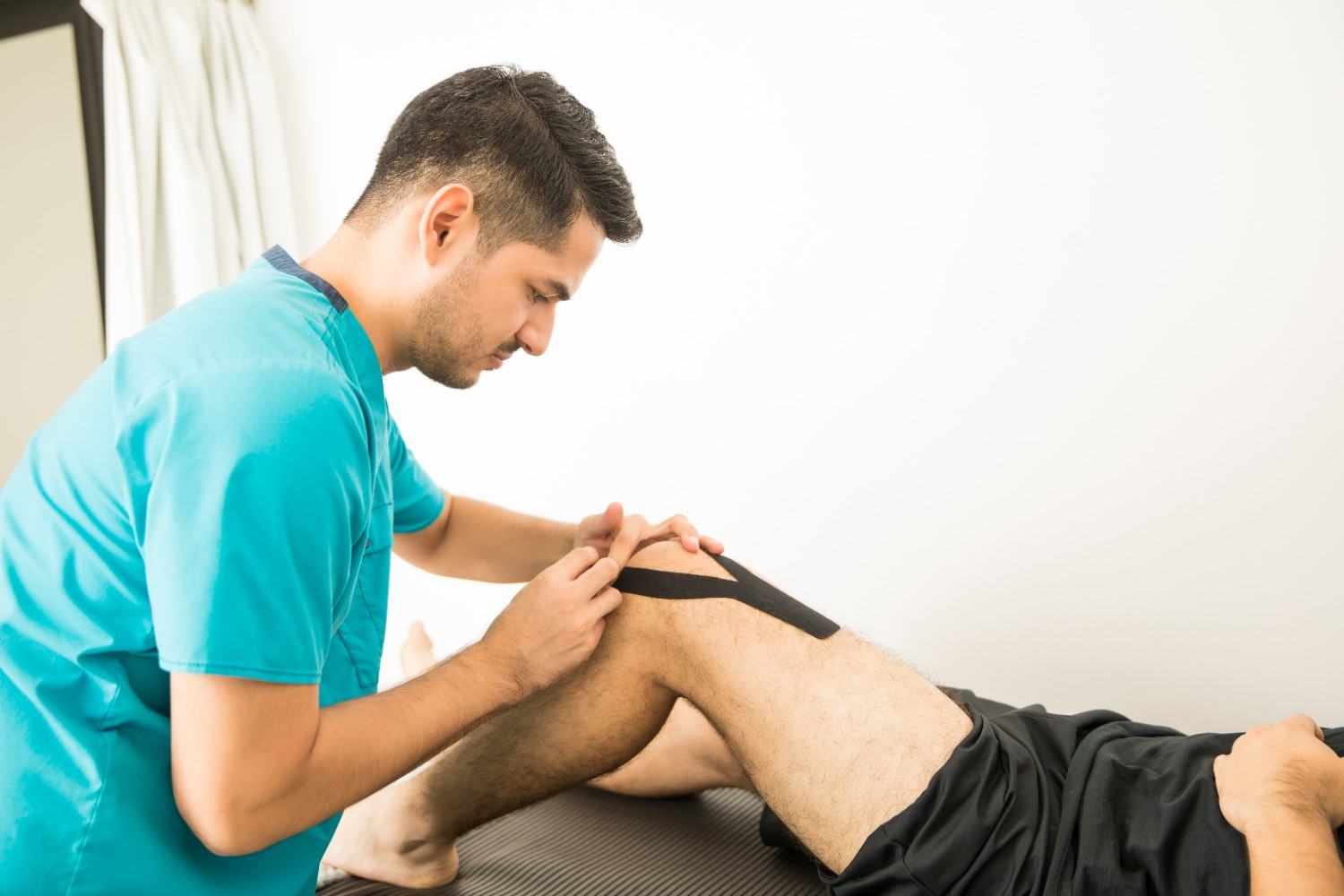
How Can a Sports Injury Specialist at Pain X Spine & Joint Clinic Help With Recovery?
Sports injuries can affect anyone, from professional athletes to people who exercise regularly. A sudden twist, muscle strain, or joint injury can make everyday activities difficult. Consulting a Sports Injury Specialist in Delhi can help identify the cause of pain, guide appropriate treatment, and support a safe return to physical activity. At Pain X Spine & Joint Clinic, the focus is on understanding each patient’s condition and developing a recovery plan suited to their needs.
For fast information, direct chat with us on WhatsApp
Early assessment is important because ignoring an injury may lead to persistent pain or reduced mobility. With appropriate treatment and rehabilitation, many people can gradually regain strength, flexibility, and confidence.
What Is a Sports Injury?
A sports injury occurs when physical activity causes damage to muscles, ligaments, tendons, bones, or joints. Some injuries happen suddenly, while others develop over time because of repetitive movements or excessive training.
Common sports injuries include:
- Muscle strains: Overstretching or tearing of muscle fibres.
- Ligament sprains: Stretching or tearing of the tissues that stabilise joints.
- Tendon injuries: Irritation or damage caused by overuse or excessive loading.
- Knee injuries: Problems involving the meniscus, ligaments, or surrounding structures.
- Shoulder injuries: Pain or restricted movement associated with muscles, tendons, or joints.
- Stress fractures: Small cracks in bones caused by repeated stress.
A Sports Injury Specialist in Delhi can assess the injury, determine its severity, and recommend the next steps. The right approach depends on the affected area, symptoms, and the patient’s activity level.
How Can a Sports Injury Specialist Help With Recovery?
Recovering from an injury involves more than reducing pain. Treatment should also address movement, strength, flexibility, and the factors that may have contributed to the injury.
1. Accurate Assessment and Diagnosis
The first step is understanding what caused the injury. During an assessment, the specialist may ask about the activity that triggered the pain, previous injuries, and current symptoms.
A physical examination can help assess swelling, tenderness, joint stability, muscle strength, and range of motion. Depending on the findings, imaging tests such as X-rays, ultrasound, or MRI may be recommended.
An accurate diagnosis helps prevent unnecessary treatment and supports better recovery planning. It also helps determine whether the patient needs medication, physiotherapy, further investigations, or a specialist referral.
2. Personalised Sports Injury Treatment
Every sports injury is different. A mild muscle strain may improve with activity modification and rehabilitation, while a severe ligament injury may require more extensive treatment.
A Sports Injury Specialist in Delhi develops a treatment plan according to the type and severity of the injury. The plan may include pain management, movement exercises, rehabilitation, and guidance on safely resuming activities.
Treatment should progress gradually. Returning to intense exercise too early can increase the risk of aggravating the injury.
3. Pain and Swelling Management
Pain and swelling are common after sports injuries. They may limit movement and make it difficult to use the affected joint or muscle.
Initial treatment may involve protecting the injured area, temporarily modifying activities, and using ice when appropriate. Compression or elevation may also help in certain injuries.
The specialist may recommend additional treatment based on the diagnosis. Patients should avoid continuing activities that significantly worsen their symptoms.
It is also important to seek prompt assessment for severe pain, major swelling, visible deformity, or an inability to bear weight after an injury.
4. Rehabilitation and Physiotherapy
Rehabilitation plays an important role in sports injury recovery. Once the injury is ready for movement and exercise, a structured programme can help restore strength and flexibility.
Depending on the condition, rehabilitation may include:
- Gentle range-of-motion exercises
- Muscle-strengthening activities
- Stretching and flexibility exercises
- Balance and coordination training
- Sport-specific movement practice
The intensity of these exercises should increase gradually. A Sports Injury Specialist in Delhi can help determine when particular activities are appropriate and whether additional rehabilitation is required.
Consistent rehabilitation can improve physical function and help patients prepare for a safe return to their preferred sport.
5. Managing Knee, Shoulder, and Back Injuries
Some body areas are particularly vulnerable during sports and exercise.
Knee injuries: Running, jumping, and sudden changes of direction can place considerable stress on the knee. Treatment depends on whether the problem involves a ligament, tendon, cartilage, or other structure.
Shoulder injuries: Throwing, swimming, and weight training can contribute to shoulder pain. Assessment helps identify movement restrictions and determine suitable treatment.
Back injuries: Heavy lifting, repetitive movements, and sudden twisting can cause back discomfort. Management may involve activity modification, appropriate exercises, and further investigation when necessary.
At Pain X Spine & Joint Clinic, treatment recommendations should be based on the specific diagnosis rather than a one-size-fits-all approach.
6. Supporting a Safe Return to Sports
Pain relief does not always mean that an injury has fully healed. Returning to sport too early can increase the risk of reinjury.
Before resuming demanding activity, patients may need to demonstrate adequate strength, flexibility, balance, and control. They should also be able to perform sport-specific movements without significant pain or instability.
A gradual return-to-sport plan may begin with light activity and progress towards more demanding training. The pace depends on the injury and the individual’s recovery.
Professional guidance helps patients understand their progress and avoid rushing the final stages of rehabilitation.
Why Choose Pain X Spine & Joint Clinic for Sports Injury Care?
Choosing the right clinic is an important step towards recovery. Patients should look for a healthcare team that considers their symptoms, activity level, medical history, and rehabilitation goals.
Pain X Spine & Joint Clinic focuses on spine and joint-related concerns, making an appropriate clinical assessment important for patients experiencing sports-related pain.
A suitable treatment plan should explain the likely cause of the symptoms, available treatment options, rehabilitation requirements, and signs that need further medical attention.
If you experience persistent pain after exercise or an injury that affects your movement, seek professional assessment instead of repeatedly training through the discomfort.
How Can You Reduce the Risk of Future Sports Injuries?
Although not every injury can be prevented, certain habits can reduce avoidable risks.
- Warm up before exercise and sport.
- Increase training intensity gradually.
- Use proper technique during lifting and athletic movements.
- Include strength, flexibility, and balance exercises in your routine.
- Wear suitable footwear and protective equipment.
- Allow enough time for rest and recovery.
- Avoid returning to intense activity before an injury has adequately healed.
Listening to your body is equally important. Persistent pain, unusual swelling, or repeated injuries should not be ignored.
Conclusion
Sports injuries can interrupt training, limit movement, and affect daily life. However, appropriate assessment and a structured recovery plan can help many people regain strength and return to their usual activities.
Consulting a Sports Injury Specialist in Delhi can help identify the underlying problem, manage symptoms, and guide rehabilitation. At Pain X Spine & Joint Clinic, patients can seek professional guidance for sports-related spine, joint, and musculoskeletal concerns.
Remember that recovery takes time. Following medical advice, completing rehabilitation, and returning to sport gradually can support better long-term outcomes.
Frequently Asked Questions
1. When should I consult a sports injury specialist?
Consult a specialist if pain persists after exercise, swelling develops, joint movement becomes restricted, or an injury affects your ability to walk or perform daily activities. Severe injuries require prompt medical assessment.
2. Can sports injuries heal without surgery?
Yes. Many muscle strains, mild sprains, and other injuries can improve with appropriate non-surgical treatment and rehabilitation. Severe injuries may require surgical evaluation, depending on the damage and functional limitations.
3. How long does recovery from a sports injury take?
Recovery time varies according to the type and severity of the injury. Minor strains may improve within days or weeks, while significant ligament injuries and fractures may take several months or longer.
4. Is physiotherapy necessary after a sports injury?
Physiotherapy is recommended for many injuries because it can help restore strength, flexibility, balance, and movement. The need for physiotherapy depends on the diagnosis and the patient’s recovery goals.
5. How can I prevent a sports injury from happening again?
Follow your rehabilitation plan, strengthen the affected muscles, use correct exercise techniques, and increase activity gradually. Return to demanding sports only when you meet the appropriate recovery milestones and receive medical clearance when needed.
Go to https://painx.co.in/ for more information or to schedule a consultation.