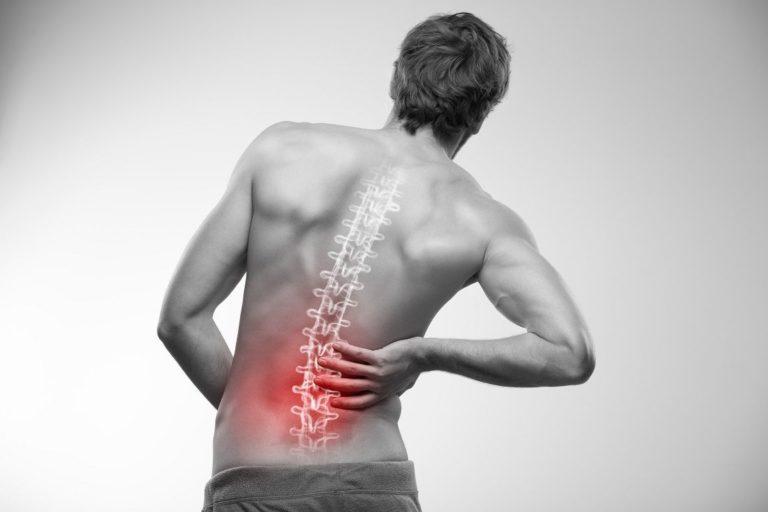
How Lifestyle Changes Can Help Prevent Recurring Back Pain
Back pain is one of the most common health concerns affecting people of all ages. Whether it develops from long hours at a desk, poor posture, heavy lifting, or age-related changes, recurring back pain can interfere with work, sleep, and daily activities. While medical treatment plays an important role in managing persistent pain, many episodes of back pain can be reduced or prevented through healthy lifestyle habits.
If your discomfort keeps returning despite rest, it may be time to consider Back Pain treatment in Delhi from Pain X Spine & Joint Clinic who can identify the underlying cause and recommend a personalized treatment plan.
For fast information, direct chat with us on WhatsApp
Recurring back pain can often be prevented by maintaining good posture, exercising regularly, managing body weight, improving workplace ergonomics, sleeping on a supportive mattress, and reducing stress. However, persistent or worsening pain requires professional evaluation to identify underlying conditions and ensure appropriate treatment before complications develop.
Why Does Back Pain Keep Coming Back?
Many people assume that back pain disappears once symptoms improve. However, recurring pain often indicates that the underlying cause has not been addressed.
Common reasons include:
- Poor sitting or standing posture
- Weak core and back muscles
- Lack of physical activity
- Obesity or excess body weight
- Improper lifting techniques
- Long hours of sitting
- Stress-related muscle tension
- Degenerative spine conditions
- Previous injuries that never fully healed
Making consistent lifestyle changes helps reduce strain on the spine and lowers the chances of repeated flare-ups.
Lifestyle Changes That Help Prevent Recurring Back Pain
Stay Physically Active
Regular movement keeps the spine flexible and strengthens muscles that support the back.
Low-impact activities include:
- Walking
- Swimming
- Cycling
- Yoga
- Pilates
Aim for at least 150 minutes of moderate physical activity each week unless your healthcare provider recommends otherwise.
Avoid remaining in bed for prolonged periods after mild back pain, as gentle movement often promotes recovery.
Strengthen Your Core Muscles
Your abdominal, pelvic, and lower back muscles work together to stabilize the spine.
Exercises such as:
- Planks
- Bird-dog exercise
- Pelvic tilts
- Bridges
can improve spinal support and reduce recurring pain. Always learn proper techniques from a qualified physiotherapist if you’re new to these exercises.
Improve Your Posture to Reduce Back Strain
Poor posture places unnecessary pressure on spinal structures.
Simple improvements include:
- Keep your shoulders relaxed.
- Sit with both feet flat on the floor.
- Use lumbar support while working.
- Position computer screens at eye level.
- Avoid slouching while using mobile devices.
Small posture corrections throughout the day can significantly decrease mechanical stress on the back.
Maintain a Healthy Body Weight
Extra body weight increases pressure on the spine, especially the lower back.
A balanced lifestyle that includes:
- Nutritious meals
- Portion control
- Regular exercise
- Adequate hydration
helps reduce spinal stress while improving overall health.
Even modest weight loss may lessen chronic back discomfort in higher-weight person individuals.
Practice Safe Lifting Techniques
Incorrect lifting remains one of the leading causes of back injuries.
Remember these safety tips:
- Bend your knees instead of your waist.
- Keep objects close to your body.
- Tighten your core muscles.
- Avoid twisting while lifting.
- Ask for assistance with heavy loads.
Developing these habits protects your spine during everyday activities.
Create an Ergonomic Workspace
Many professionals spend eight or more hours sitting every day.
To protect your back:
- Choose a chair with proper lumbar support.
- Adjust your desk and monitor height.
- Keep elbows at approximately 90 degrees.
- Place feet flat on the floor.
- Take short standing or walking breaks every 30–60 minutes.
Good workplace ergonomics significantly reduce repetitive strain injuries.
Prioritize Quality Sleep
Your spine recovers while you sleep.
Helpful sleep habits include:
- Sleeping on a supportive mattress
- Using a pillow that maintains neck alignment
- Sleeping on your back or side rather than your stomach
- Maintaining a regular sleep schedule
If morning back pain is common, your mattress or sleeping position may need adjustment.
Manage Stress for Better Spine Health
Stress affects more than mental well-being. It often causes muscle tightness, particularly in the neck, shoulders, and lower back.
Healthy stress-management strategies include:
- Meditation
- Deep breathing exercises
- Mindfulness
- Gentle stretching
- Regular physical activity
- Adequate sleep
Reducing stress can lessen muscle tension and improve pain management.
Avoid Smoking
Smoking reduces blood flow to spinal tissues and may accelerate disc degeneration.
People who smoke often experience slower healing and a greater risk of chronic musculoskeletal pain.
Quitting smoking benefits both spinal health and overall well-being.
When Lifestyle Changes Are Not Enough: Seeking Back Pain Treatment in Delhi
Although healthy habits help many individuals, some forms of back pain require medical evaluation.
Seek professional care if you experience:
- Pain lasting longer than several weeks
- Pain that worsens despite home care
- Numbness or tingling in the legs
- Muscle weakness
- Difficulty walking
- Loss of bladder or bowel control (requires immediate emergency care)
- Pain following trauma or injury
- Recurrent episodes affecting daily life
Specialists providing Back Pain treatment in Delhi can identify the cause through clinical assessment and, when necessary, imaging studies. Treatment may include medications, physiotherapy, image-guided pain interventions, rehabilitation, or minimally invasive pain management procedures depending on the diagnosis.
Early treatment often helps prevent chronic pain and improves quality of life.
Simple Daily Habits That Protect Your Back
Consider incorporating these everyday practices:
- Stretch every morning.
- Walk after prolonged sitting.
- Lift safely.
- Stay hydrated.
- Wear supportive footwear.
- Exercise consistently.
- Maintain good posture.
- Sleep well.
- Eat a balanced diet.
- Listen to your body’s warning signs.
Small, consistent improvements often provide long-term benefits.
Conclusion
Recurring back pain is not something you have to accept as a normal part of life. Healthy lifestyle choices—including regular exercise, proper posture, weight management, safe lifting techniques, quality sleep, and stress reduction—can significantly reduce the risk of repeated episodes. However, persistent or severe symptoms should never be ignored. Seeking timely Back Pain treatment in Delhi allows specialists to diagnose the underlying cause and recommend the most appropriate treatment plan before the condition worsens. If recurring back pain is affecting your work, mobility, or daily activities, consult Pain X Spine & Joint Clinic to receive personalized care and regain a healthier, more active lifestyle.
Go to https://painx.co.in/ for more information or to schedule a consultation.