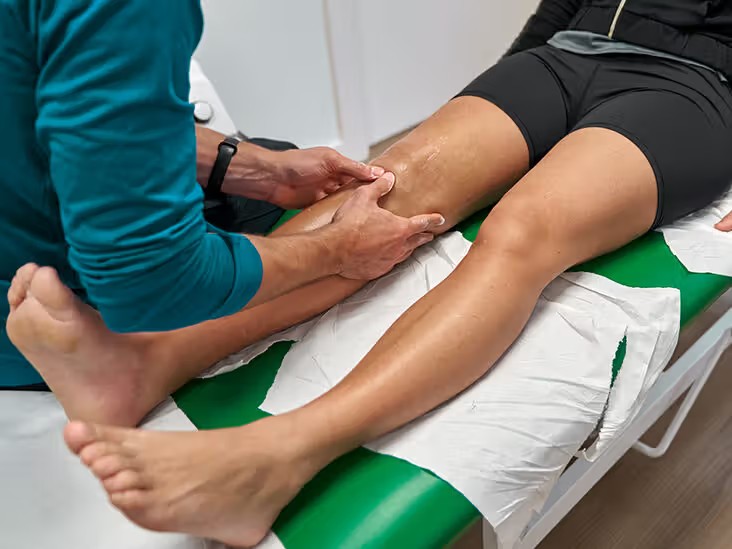
When does knee pain require an injection or advanced treatment?
Knee pain can make simple activities such as walking, climbing stairs, standing, or getting up from a chair difficult. For many people, rest, exercise, physiotherapy, and medicines may help. However, when pain continues despite these measures, Knee Pain Treatment in Dilshad Garden may sometimes involve an injection or another advanced treatment option.
For fast information, direct chat with us on WhatsApp
The important point is that an injection is not automatically required just because knee pain is severe. The appropriate treatment depends on the underlying cause, severity of symptoms, medical history, examination findings, and response to earlier treatments.
At Pain X Spine & Joint Clinic, treatment decisions should be based on an individual assessment rather than a one-size-fits-all approach.
What Causes Persistent Knee Pain?
Knee pain can have several causes. Osteoarthritis is one of the common reasons, particularly in adults with age-related joint changes. Other causes may include:
- Meniscus injuries
- Ligament injuries
- Tendon problems
- Bursitis
- Inflammatory arthritis
- Sports-related injuries
- Previous knee trauma
- Cartilage damage
Identifying the actual cause is important before considering an injection or advanced intervention.
A doctor may evaluate your symptoms, movement, muscle strength, tenderness, and joint stability. Depending on the situation, imaging such as an X-ray or MRI may also be considered.
When Is Basic Knee Pain Treatment Usually Tried First?
In many cases, treatment begins with conservative options. These may include activity modification, exercises, physiotherapy, weight management when appropriate, and medicines prescribed by a healthcare professional.
For knee osteoarthritis, AAOS guidance supports exercise and other non-surgical measures as important parts of management.
If these approaches improve pain and mobility, an injection may not be necessary.
However, persistent symptoms may require further assessment.
When Might a Knee Injection Be Considered?
A knee injection may be considered when pain remains troublesome despite appropriate non-surgical treatment.
For example, a person with symptomatic knee osteoarthritis may experience significant pain that interferes with walking or daily activities. In selected cases, an intra-articular corticosteroid injection may provide short-term pain relief.
This does not mean that every person with knee arthritis should receive an injection.
The decision should consider:
- The cause of knee pain
- Severity and duration of symptoms
- Previous treatments
- Overall health
- Medication history
- Examination findings
- Expected benefits and possible risks
Therefore, Knee Pain Treatment in Dilshad Garden should begin with proper diagnosis rather than immediately choosing an injection.
What Types of Knee Injections Are Available?
Different injections may be discussed depending on the condition.
Corticosteroid Injections
Corticosteroid injections can reduce inflammation and may provide short-term relief for some people with symptomatic knee osteoarthritis.
They are generally considered as part of a broader treatment plan rather than a permanent solution.
Repeated injections should also be considered carefully. Research and clinical guidance have raised concerns about potential effects associated with repeated corticosteroid injections, so the timing and frequency should be decided by a qualified clinician.
Hyaluronic Acid Injections
Hyaluronic acid injections have also been used for knee osteoarthritis. However, the evidence is mixed, and the AAOS guideline does not recommend hyaluronic acid injections for routine use in symptomatic knee osteoarthritis.
This is why patients should discuss the potential benefits, limitations, and alternatives with their doctor instead of assuming that every injection is suitable.
PRP Injections
Platelet-rich plasma, commonly called PRP, is another treatment discussed for some knee conditions. Evidence regarding PRP for knee osteoarthritis is still developing, and recommendations vary depending on the clinical situation and available evidence.
A specialist can determine whether it is appropriate for an individual patient.
When Is Advanced Knee Treatment Considered?
Advanced treatment may be considered when knee pain is persistent, significantly affects mobility, or does not improve with appropriate conservative treatment.
Depending on the diagnosis, advanced treatment can include targeted interventional pain procedures, image-guided procedures, treatment for a meniscus or ligament problem, or surgical evaluation.
For example, some patients with specific meniscal tears and mild-to-moderate osteoarthritis may be considered for arthroscopic partial meniscectomy after non-surgical treatments have failed.
In advanced osteoarthritis, surgical options may also need to be discussed when symptoms and functional limitations become significant.
The right treatment depends on the specific condition rather than simply the intensity of pain.
Signs That You Should Get Your Knee Evaluated
Do not ignore knee pain that continues or keeps returning.
You should consider a medical evaluation if you experience:
- Knee pain lasting for several weeks
- Increasing difficulty walking
- Pain while climbing or descending stairs
- Recurrent swelling
- Knee stiffness
- Difficulty bending or straightening the knee
- Locking or catching of the knee
- Knee instability or a feeling that it may give way
- Pain that interferes with sleep or daily activities
- Persistent pain after an injury
Sudden severe pain, major swelling, inability to bear weight, significant deformity, fever with a hot and swollen joint, or a serious injury may require prompt medical assessment.
How Is the Right Treatment Selected?
There is no single treatment that works for every type of knee pain.
A specialist may first determine whether the problem is related to arthritis, injury, inflammation, soft-tissue damage, or another condition. The treatment plan can then be selected according to the diagnosis.
For some patients, physiotherapy and exercise may be enough. Others may require medication or an injection. In selected cases, an advanced intervention or surgical opinion may be appropriate.
This personalized approach is important because treating the wrong underlying problem may delay recovery.
Knee Pain Treatment in Dilshad Garden: Why Diagnosis Matters
If you are looking for Knee Pain Treatment in Dilshad Garden, it is important to focus on identifying the cause of your symptoms instead of choosing a treatment simply because it sounds advanced.
At Pain X spine and joints clinic, patients with knee and joint pain can be evaluated to understand the possible source of their symptoms and discuss appropriate treatment options.
The goal of Knee Pain Treatment in Dilshad Garden is not simply to reduce pain temporarily. A comprehensive treatment plan should also consider mobility, function, daily activities, and the underlying condition.
Can Knee Pain Be Managed Without an Injection?
Yes. An injection is not always necessary.
Depending on the diagnosis, treatment may include:
- Physiotherapy
- Strengthening exercises
- Flexibility exercises
- Activity modification
- Weight management when appropriate
- Prescription or over-the-counter medicines when medically suitable
- Lifestyle changes
- Other non-surgical treatments
For knee osteoarthritis, evidence-based guidelines emphasize exercise and other non-surgical approaches as important components of care.
Therefore, Knee Pain Treatment in Dilshad Garden should be individualized according to the patient’s condition and treatment response.
When Should You Consider Advanced Knee Pain Treatment?
Advanced treatment may become relevant when:
- Pain continues despite appropriate conservative care.
- Knee pain significantly limits normal activities.
- There is a structural problem requiring specialist evaluation.
- Recurrent symptoms affect mobility or quality of life.
- The diagnosis indicates that a targeted intervention may be appropriate.
It is important to remember that “advanced” does not always mean “better.” The most appropriate treatment is the one that matches the underlying condition and the patient’s individual needs.
Conclusion
Persistent knee pain should not automatically be treated with injections or advanced procedures. The first step is understanding why the knee hurts and how severely the condition is affecting movement and daily life.
For people seeking Knee Pain Treatment in Dilshad Garden, a proper clinical evaluation can help determine whether conservative treatment, an injection, an interventional procedure, or another treatment approach may be appropriate.
If knee pain continues despite basic treatment, speak with a qualified pain or joint specialist before deciding on an injection or advanced procedure.
Frequently Asked Questions
1. When does knee pain require an injection?
An injection may be considered when significant knee pain continues despite appropriate non-surgical treatment. The decision depends on the underlying diagnosis and individual circumstances.
2. Are knee injections a permanent solution?
Usually, injections are intended to manage symptoms rather than permanently correct the underlying cause. The duration and degree of relief can vary between individuals.
3. Is a steroid injection suitable for every knee pain patient?
No. Corticosteroid injections are not appropriate for every cause of knee pain. A doctor should determine whether the injection is suitable after evaluating the condition.
4. Can knee pain improve without an injection?
Yes. Depending on the cause, knee pain may improve with exercise, physiotherapy, activity modification, weight management, medicines, or other conservative treatments.
5. When should I see a knee pain specialist?
Consider an evaluation when knee pain persists, repeatedly returns, causes swelling or stiffness, limits walking or stairs, or interferes with normal daily activities.
Go to https://painx.co.in/ for more information or to schedule a consultation.