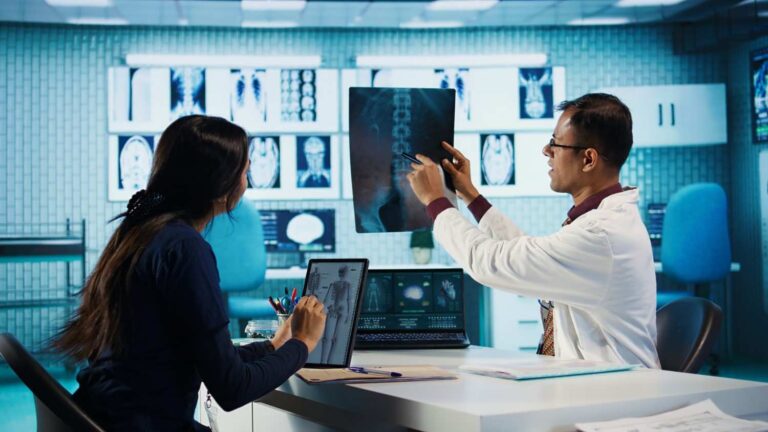
How Is Sciatica Diagnosed and Treated by a Spine Specialist?
Sciatica is a common condition that causes pain radiating from the lower back into the buttocks and legs. It develops when the sciatic nerve or its nerve roots become irritated or compressed. Many people experience burning pain, tingling, numbness, or weakness that can interfere with walking, sitting, and everyday activities.
Consulting the Best Spine Specialist in Dilshad Garden can help identify the underlying cause of sciatica and determine an appropriate treatment plan. At Pain X Spine & Joint Clinic, understanding the source of pain is an important step toward improving mobility and managing symptoms effectively.
Early diagnosis is particularly important when symptoms persist, become severe, or affect daily functioning.
For fast information, direct chat with us on WhatsApp
What Is Sciatica and Why Does It Occur?
Sciatica refers to pain caused by irritation or compression of the sciatic nerve or its nerve roots. The sciatic nerve is the largest nerve in the body. It travels from the lower back through the hips and down each leg.
Several spinal conditions can cause sciatica.
- Herniated Disc: A slipped or herniated disc may press against nearby nerve roots.
- Spinal Stenosis: Narrowing of the spinal canal can put pressure on nerves.
- Degenerative Disc Disease: Age-related disc changes may contribute to nerve irritation.
- Spondylolisthesis: A vertebra may slip forward and compress surrounding nerves.
- Muscle-Related Compression: In some cases, surrounding muscles may irritate the sciatic nerve.
Understanding the cause helps a spine specialist recommend suitable treatment rather than simply managing pain temporarily.
Common Symptoms of Sciatica
Sciatica symptoms can vary depending on the affected nerve and the severity of compression.
Common symptoms include:
- Pain travelling from the lower back into one leg
- Burning or shooting pain in the buttock
- Tingling sensations in the leg or foot
- Numbness in specific areas of the lower limb
- Muscle weakness affecting walking or standing
- Increased discomfort during prolonged sitting
Some people experience mild discomfort, while others develop severe pain that affects sleep and daily activities.
If these symptoms continue or worsen, consulting the Best Spine Specialist in Dilshad Garden can help determine whether the problem originates from the spine or another condition.
How Is Sciatica Diagnosed by a Spine Specialist?
Accurate diagnosis is essential for selecting the right treatment. A spine specialist generally combines a detailed medical history, physical examination, and imaging investigations when necessary.
1. Medical History and Symptom Evaluation
The specialist first discusses the patient’s symptoms.
Important questions may include:
- When did the pain begin?
- Does the pain travel into the leg?
- Is there numbness or tingling?
- Does sitting or walking worsen the symptoms?
- Has the patient experienced previous back problems?
This information helps identify possible causes and understand how symptoms affect daily activities.
2. Physical and Neurological Examination
A physical examination helps assess nerve function and spinal movement.
The specialist may evaluate:
- Muscle strength in the legs
- Sensation in different areas
- Reflex responses
- Walking patterns and balance
- Lower back flexibility
- Straight leg raise test
The straight leg raise test may help identify nerve irritation associated with certain types of sciatica.
3. Imaging Tests for Sciatica
Imaging is recommended when symptoms suggest a serious problem, persist despite treatment, or require further investigation.
MRI Scan: An MRI provides detailed images of spinal discs, nerves, and surrounding tissues. It can help identify herniated discs and nerve compression.
X-Ray: X-rays may reveal changes in spinal alignment, fractures, or certain degenerative conditions. However, they do not directly show nerve compression.
CT Scan: A CT scan may be useful when additional information about spinal structures is needed or MRI cannot be performed.
Not every patient requires imaging. The specialist decides based on symptoms and clinical findings.
How Is Sciatica Treated by a Spine Specialist?
Sciatica treatment depends on the cause, severity, and duration of symptoms. Most patients improve with non-surgical treatment. However, some require advanced interventions when pain persists or nerve compression becomes significant. NICE+1
1. Physiotherapy and Exercise
Physiotherapy is often an important part of sciatica management.
A personalised exercise programme may include:
- Gentle stretching exercises
- Core strengthening exercises
- Posture correction
- Mobility training
- Guided rehabilitation exercises
These activities help improve flexibility, support spinal stability, and restore normal movement.
2. Medications for Pain Management
A spine specialist may recommend suitable medications to manage pain and inflammation.
Medication selection depends on the patient’s medical history, symptoms, and risk factors. Patients should avoid taking painkillers or nerve-related medicines without professional advice.
3. Lifestyle Modifications
Small lifestyle changes can support recovery and reduce unnecessary strain on the spine.
Helpful recommendations include:
- Avoid prolonged sitting.
- Take regular movement breaks.
- Maintain a comfortable sitting posture.
- Avoid lifting heavy objects incorrectly.
- Follow recommended exercises consistently.
- Maintain a healthy body weight.
Staying active within comfortable limits is generally preferable to prolonged bed rest.
4. Minimally Invasive Pain Management Procedures
Some patients continue to experience significant pain despite conservative treatment.
In selected cases, a specialist may consider an epidural injection to reduce inflammation around irritated nerve roots. Such procedures are not suitable for everyone and require individual assessment.
5. Surgical Treatment for Severe Sciatica
Surgery may be considered when:
- Severe pain continues despite appropriate non-surgical treatment.
- Imaging confirms nerve compression corresponding to symptoms.
- Progressive muscle weakness develops.
- Nerve compression significantly affects daily functioning.
Procedures such as microdiscectomy or spinal decompression may be recommended in appropriate cases.
Surgery is not necessary for every patient with sciatica. The decision depends on clinical findings, imaging results, and the patient’s overall condition. NICE+1
When Should You Consult the Best Spine Specialist in Dilshad Garden?
Many people ignore back pain initially and assume it will resolve on its own. However, persistent nerve-related symptoms should not be overlooked.
You should consider consulting the Best Spine Specialist in Dilshad Garden if:
- Back pain repeatedly radiates into your leg.
- Tingling or numbness continues for several days.
- Pain interferes with walking or sleeping.
- Symptoms do not improve with initial care.
- Leg weakness develops.
- Sciatica repeatedly returns.
Seek emergency medical attention immediately if you experience new difficulty controlling your bladder or bowel, inability to urinate, numbness around the groin or saddle area, or rapidly worsening leg weakness. These symptoms may indicate serious nerve compression requiring urgent assessment. NCBI+1
Why Choose Pain X Spine & Joint Clinic for Sciatica Care?
At Pain X Spine & Joint Clinic, understanding the underlying cause of pain is an important part of treatment planning.
Patients experiencing sciatica need an approach that considers their symptoms, mobility, lifestyle, and spinal condition.
A comprehensive evaluation can help determine whether conservative treatment, rehabilitation, pain management procedures, or surgical consultation may be appropriate.
If you are searching for the Best Spine Specialist in Dilshad Garden, seeking timely professional guidance can help you understand your condition and explore suitable treatment options.
Conclusion
Sciatica can significantly affect daily life, but appropriate diagnosis and treatment can help many patients manage symptoms and regain mobility.
From clinical examination and MRI evaluation to physiotherapy and advanced treatment options, a spine specialist can guide patients through different stages of recovery.
Consulting the Best Spine Specialist in Dilshad Garden at Pain X Spine & Joint Clinic can be a useful step toward understanding persistent back pain, identifying nerve compression, and choosing an appropriate treatment plan.
Early evaluation, regular rehabilitation, and following medical advice are important for long-term spinal health.
FAQs About Sciatica
1. Can sciatica heal without surgery?
Yes. Many patients improve with physiotherapy, activity modification, and appropriate conservative treatment. Surgery is generally considered when symptoms persist or serious neurological problems develop.
2. How long does sciatica take to improve?
Many episodes improve within a few weeks. However, recovery depends on the underlying cause, severity of nerve irritation, and individual health factors. Persistent symptoms require medical evaluation.
3. Is an MRI necessary for diagnosing sciatica?
No. Sciatica can often be diagnosed through medical history and physical examination. MRI may be recommended when symptoms persist, neurological deficits develop, or imaging could influence treatment decisions.
4. Can walking help relieve sciatica?
Gentle walking may help maintain mobility and prevent stiffness. However, activity should be adjusted according to pain levels and the advice of a healthcare professional.
5. When is surgery required for sciatica?
Surgery may be considered when significant nerve compression causes persistent pain despite appropriate treatment or when progressive neurological weakness develops. Emergency symptoms require immediate medical assessment.
Go to https://painx.co.in/ for more information or to schedule a consultation.