How Can a Joint Pain Specialist in Delhi Help Relieve Chronic Joint Pain?
Chronic joint pain can make even simple daily activities difficult. Walking, climbing stairs, sitting for long periods, or getting out of bed may become uncomfortable. If joint pain continues for weeks or months, it is important to seek professional medical advice. Consulting the Best Joint Pain Specialist in Delhi can help identify the underlying cause and find an appropriate treatment plan.
At Pain X Spine & Joint Clinic, patients can seek professional guidance for spine and joint-related concerns. A specialist evaluates the symptoms, medical history, and physical condition before recommending suitable treatment. With the right approach, many people can manage pain, improve mobility, and return to their daily routines with greater comfort.
For fast information, direct chat with us on WhatsApp
What Is Chronic Joint Pain?
Chronic joint pain refers to discomfort that continues for an extended period, often lasting several weeks or months. It may affect one joint or multiple joints in the body.
The pain can be mild, moderate, or severe. Some people experience stiffness after waking up, while others notice discomfort during physical activity.
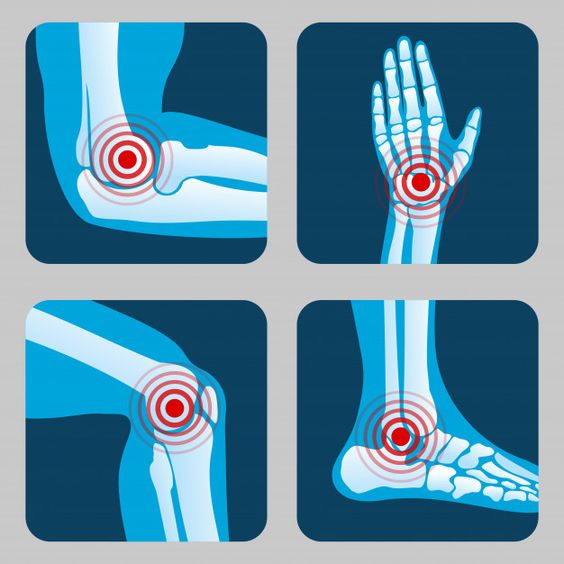
Commonly affected areas include:
- Knees
- Shoulders
- Hips
- Elbows
- Wrists
- Ankles
Ignoring persistent joint pain may affect mobility and overall quality of life. Early evaluation helps identify the cause and prevent unnecessary discomfort.
What Are the Common Causes of Chronic Joint Pain?
Joint pain can develop for several reasons. Understanding the underlying cause is essential for selecting the right treatment.
1. Osteoarthritis
Osteoarthritis occurs when the protective cartilage inside a joint gradually wears down. It commonly affects the knees, hips, and hands. Symptoms may include stiffness, swelling, and pain during movement.
2. Rheumatoid Arthritis
Rheumatoid arthritis is an autoimmune condition that causes inflammation in the joints. It may affect multiple joints and cause morning stiffness, swelling, and tenderness.
3. Sports Injuries
Sports activities, sudden movements, and accidents can damage ligaments, tendons, or cartilage. Some injuries may lead to long-term joint discomfort if not managed properly.
4. Age-Related Changes
As people grow older, joints may become less flexible. Changes in cartilage, muscles, and surrounding tissues can contribute to stiffness and discomfort.
5. Previous Joint Injuries
An old injury may sometimes cause ongoing pain or increase the risk of developing joint problems later in life.
How Can the Best Joint Pain Specialist in Delhi Help?
A joint pain specialist focuses on identifying the cause of discomfort and recommending an appropriate treatment approach. Instead of simply addressing the symptoms, the specialist evaluates the factors contributing to the pain.
Here are some important ways a specialist can help.
1. Accurate Diagnosis of Joint Problems
The first step is understanding why the joint hurts. A specialist reviews your medical history and asks about the location, duration, and intensity of the pain.
A physical examination may also be performed to assess joint movement, swelling, tenderness, and flexibility.
Depending on the symptoms, diagnostic investigations may include:
- X-rays
- MRI scans
- Blood tests
- Ultrasound examinations
Accurate diagnosis helps determine whether the pain is related to arthritis, inflammation, injury, or another condition.
2. Personalised Joint Pain Treatment
Every patient experiences joint pain differently. Therefore, treatment should depend on the underlying condition, age, lifestyle, and overall health.
The Best Joint Pain Specialist in Delhi can recommend an individual treatment plan based on the diagnosis.
Treatment options may include medication, physiotherapy, lifestyle changes, or other suitable medical interventions.
The main objective is to reduce discomfort, improve joint function, and support long-term mobility.
3. Pain Management Without Unnecessary Surgery
Not every joint problem requires surgery. Many conditions can initially be managed through appropriate non-surgical treatments.
Depending on the diagnosis, treatment may include:
- Prescribed pain-relief medication
- Physiotherapy and rehabilitation
- Guided exercises
- Activity modification
- Selected joint injections, when appropriate
A specialist helps determine which options are suitable for your condition. Surgery may be considered when other treatments are insufficient or when significant joint damage requires it.
4. Improved Mobility and Flexibility
Chronic joint pain can make movement difficult. People may avoid walking, exercising, or performing everyday activities because they fear increasing their pain.
A structured rehabilitation programme can help improve strength, flexibility, and joint stability.
A specialist may recommend exercises that support the muscles surrounding the affected joint. Stronger supporting muscles can help improve joint function and movement.
5. Guidance for Long-Term Joint Health
Managing chronic joint pain requires more than temporary relief. Healthy daily habits can also support joint function.
A specialist may suggest practical changes, such as maintaining a healthy weight, avoiding excessive strain, and following an appropriate exercise routine.
These steps can help reduce unnecessary pressure on the joints and support overall physical health.
When Should You Visit a Joint Pain Specialist?
You should not ignore joint pain that interferes with your daily activities. Early medical attention can help identify the problem and guide appropriate treatment.
Consider consulting the Best Joint Pain Specialist in Delhi if you experience:
- Joint pain that lasts for several weeks.
- Swelling, redness, or tenderness around a joint.
- Difficulty bending or straightening a joint.
- Stiffness after waking up.
- Pain that increases while walking or climbing stairs.
- Repeated joint discomfort that affects sleep.
If a joint suddenly becomes hot, red, and severely swollen, especially with fever, seek urgent medical attention.
Why Choose Pain X Spine & Joint Clinic?
Choosing the right pain specialist is an important step towards managing chronic joint pain.
At Pain X Spine & Joint Clinic, Dr. Deepesh Saxena (MBBS, MD, FPM) is a Consultant Pain Physician and Interventional Pain Specialist. The clinic follows a multidisciplinary approach that may include medication, physical therapy, injections, and other pain management interventions. painx.co.in
Patients can seek professional guidance for different pain-related conditions, including:
- Knee pain
- Shoulder pain
- Joint pain
- Neck and back pain
- Nerve-related pain
The treatment approach focuses on understanding the source of discomfort and identifying suitable options based on individual medical needs.
If chronic joint pain is affecting your quality of life, consulting the Best Joint Pain Specialist in Delhi can help you explore appropriate treatment options.
Conclusion
Living with chronic joint pain can be physically and emotionally challenging. However, the right diagnosis and treatment plan can make managing the condition easier.
A joint pain specialist can help identify the underlying cause, recommend suitable pain management options, and guide you towards better mobility.
At Pain X Spine & Joint Clinic, patients can consult Dr. Deepesh Saxena for professional pain management guidance. Do not let persistent joint discomfort limit your everyday activities. Seek medical advice and take an informed step towards better joint health.
Frequently Asked Questions (FAQs)
1. When should I consult a joint pain specialist?
You should consult a specialist if joint pain continues for several weeks, causes swelling, limits movement, or interferes with everyday activities.
2. Can chronic joint pain be treated without surgery?
Yes. Depending on the underlying condition, chronic joint pain may be managed with medication, physiotherapy, lifestyle modifications, and selected pain management procedures. Surgery is considered only when medically necessary.
3. What is the most common cause of chronic joint pain?
Osteoarthritis is a common cause of chronic joint pain. Other causes include rheumatoid arthritis, previous injuries, inflammation, and repetitive strain.
4. Can physiotherapy help reduce joint pain?
Yes. Guided physiotherapy can improve muscle strength, flexibility, joint stability, and mobility. The exercises should be selected according to the patient’s condition.
5. How can I prevent chronic joint pain from getting worse?
Maintaining a healthy weight, staying physically active, avoiding excessive joint strain, following medical advice, and managing underlying conditions can help support joint health.
Go to https://painx.co.in/ for more information or to schedule a consultation.