How Is a Slip Disc Diagnosed and Treated by a Spine Specialist in Delhi?
Back pain, neck pain, tingling, or numbness in the legs can sometimes indicate a slip disc. This condition develops when the soft inner material of a spinal disc pushes through its outer layer. It may irritate nearby nerves and cause discomfort, weakness, or difficulty walking. Consulting the Best Spine Specialist in Delhi can help identify the underlying cause and determine the right treatment.
A slip disc does not always require surgery. Many patients improve with medication, physiotherapy, activity modification, and other non-surgical treatments. However, early diagnosis is important to prevent symptoms from becoming more severe.
For fast information, direct chat with us on WhatsApp
At Pain X Spine & Joint Clinic, understanding the cause of spinal pain is an important step towards choosing an appropriate treatment plan. Let’s understand how specialists diagnose and treat a slip disc.
What Is a Slip Disc?
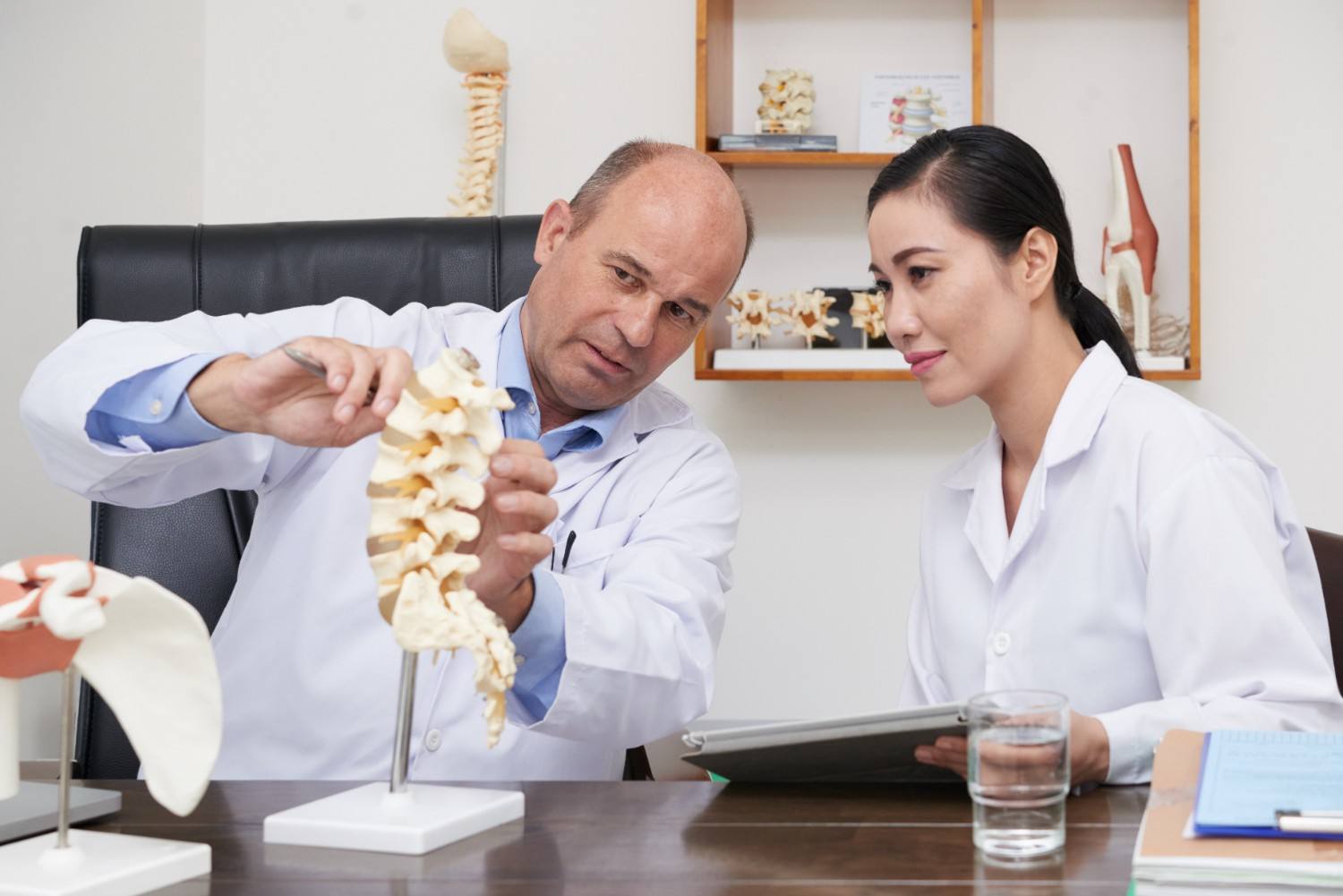
The spine contains small bones called vertebrae. Soft, cushion-like discs sit between these bones. They absorb shocks and allow the spine to bend and move comfortably.
A slip disc, also known as a herniated or prolapsed disc, occurs when the disc’s inner material pushes through a weakened or damaged outer layer.
It can happen in different parts of the spine:
- Cervical spine: The neck region.
- Thoracic spine: The middle back.
- Lumbar spine: The lower back.
Lumbar disc herniation is a common cause of lower back pain and sciatica. Cervical disc herniation may cause pain that travels from the neck towards the shoulders, arms, or hands.
Common Symptoms of a Slip Disc
Slip disc symptoms depend on the location of the affected disc and whether a nearby nerve is compressed.
Some people experience mild discomfort. Others may develop pain that interferes with everyday activities.
Common symptoms include:
- Persistent lower back or neck pain.
- Pain spreading into the legs or arms.
- Tingling or a pins-and-needles sensation.
- Numbness in the affected area.
- Muscle weakness in the arms or legs.
- Pain that increases while coughing, sneezing, or bending.
- Difficulty sitting, standing, or walking for long periods.
Not everyone with a herniated disc experiences symptoms. Therefore, a proper clinical assessment is necessary before starting treatment.
How Does the Best Spine Specialist in Delhi Diagnose a Slip Disc?
An accurate diagnosis helps identify the affected spinal level and understand whether a nerve is involved. The Best Spine Specialist in Delhi generally uses a combination of medical history, physical examination, and imaging tests.
1. Reviewing Medical History
The specialist first asks about your symptoms and medical history.
You may be asked:
- When did the pain begin?
- Does the pain travel into your arms or legs?
- Do you experience numbness or weakness?
- Does movement increase your discomfort?
- Have you experienced a similar problem before?
These details help the specialist understand your condition and identify possible causes.
2. Physical and Neurological Examination
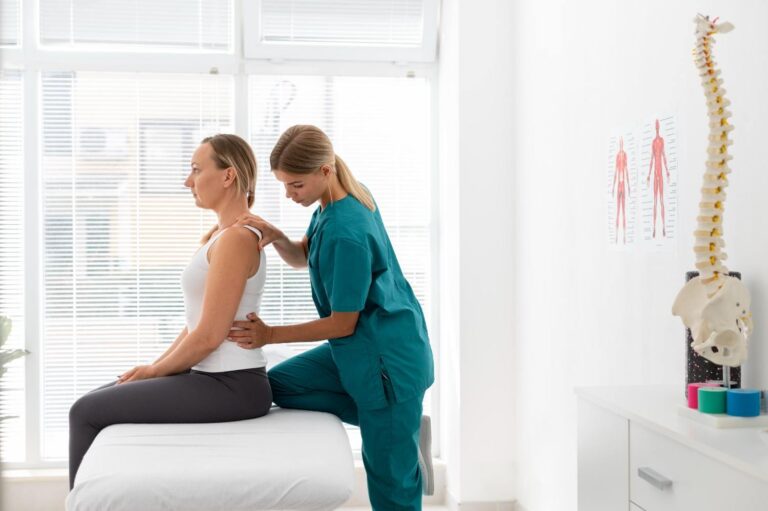
Next, the doctor performs a physical examination.
This may include checking:
- Spinal movement and flexibility.
- Muscle strength.
- Reflexes.
- Sensation in the arms and legs.
- Walking and balance.
Certain examination techniques, such as the straight leg raise test, may help identify nerve irritation associated with a lumbar disc problem.
3. MRI Scan
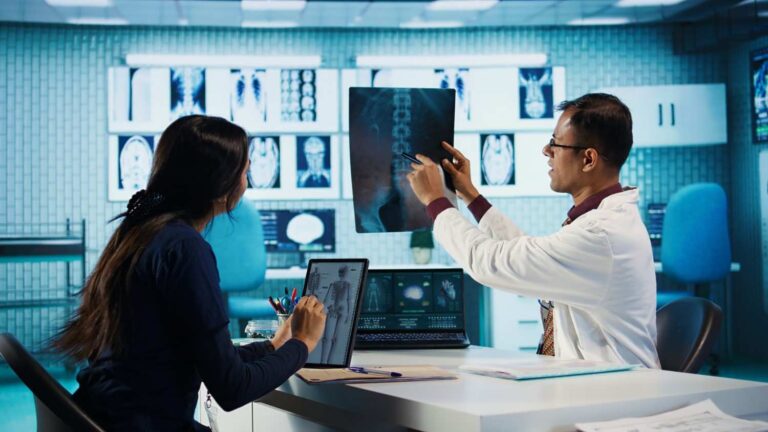
An MRI is one of the most useful imaging tests for evaluating a suspected slip disc.
It provides detailed images of the spinal discs, nerves, and surrounding soft tissues.
An MRI can help identify:
- Disc bulging or herniation.
- Nerve compression.
- Spinal canal narrowing.
- The location and severity of disc changes.
However, an MRI is not necessary for every patient. The doctor recommends imaging based on symptoms, examination findings, and whether the results will affect treatment decisions.
4. X-Ray and Other Diagnostic Tests
An X-ray cannot directly show a herniated disc. However, it can help identify certain bone-related problems, alignment changes, or other possible causes of back pain.
In selected cases, a CT scan or nerve-related tests may also be recommended.
Slip Disc Treatment by the Best Spine Specialist in Delhi
Treatment depends on the severity of the disc herniation, the location of the problem, and the patient’s symptoms.
The Best Spine Specialist in Delhi usually recommends conservative treatment first when there are no serious neurological complications.
1. Medication for Pain Relief
Doctors may prescribe medicines to manage pain and inflammation.
Depending on the patient’s condition, treatment may include:
- Anti-inflammatory medicines.
- Appropriate pain relievers.
- Short-term muscle relaxants when indicated.
- Other medicines for specific nerve-related symptoms.
Medicines should always be taken under medical supervision.
2. Physiotherapy and Exercise
Physiotherapy plays an important role in slip disc recovery.
A physiotherapist creates an exercise programme based on the patient’s symptoms and physical condition.
Treatment may include:
- Gentle stretching exercises.
- Core strengthening exercises.
- Posture correction.
- Mobility exercises.
- Gradual walking and physical activity.
These exercises help improve flexibility and support the spine. However, patients should avoid movements that increase pain or nerve symptoms.
3. Lifestyle Modifications
Small lifestyle changes can support recovery and reduce unnecessary pressure on the spine.
Consider these habits:
- Maintain a healthy body weight.
- Avoid prolonged sitting.
- Take regular movement breaks.
- Use correct lifting techniques.
- Maintain a comfortable sleeping posture.
- Follow the prescribed exercise routine.
Avoid complete bed rest for extended periods unless specifically advised by your doctor.
4. Minimally Invasive Pain Management
Some patients continue experiencing significant pain despite medication and physiotherapy.
In selected cases, a specialist may recommend an image-guided epidural steroid injection. It can help reduce inflammation around an irritated nerve and provide temporary pain relief.
The procedure is not suitable for everyone. The doctor evaluates the symptoms and imaging findings before recommending it.
5. When Is Slip Disc Surgery Required?
Surgery is not the first treatment option for most slip disc patients.
However, it may be considered when:
- Severe pain continues despite appropriate treatment.
- Muscle weakness is getting worse.
- Nerve compression significantly affects daily activities.
- Non-surgical treatments have not provided sufficient relief.
One commonly performed procedure is microdiscectomy. During this procedure, the surgeon removes the portion of the disc pressing on the affected nerve.
The aim is to relieve nerve compression and improve symptoms. The appropriate surgical technique depends on the patient’s condition.
When Should You Consult a Spine Specialist?
Do not ignore persistent back pain or symptoms that travel into your arms or legs.
Consult a specialist if you experience:
- Back pain that does not improve.
- Repeated episodes of sciatica.
- Numbness or tingling in your legs.
- Difficulty walking comfortably.
- Muscle weakness.
- Pain that affects sleep or everyday activities.
Important: New loss of bladder or bowel control, difficulty passing urine, numbness around the genitals or buttocks, or rapidly worsening leg weakness may indicate serious nerve compression. Seek emergency medical attention immediately.
Why Choose Pain X Spine & Joint Clinic for Slip Disc Treatment?
Choosing the right specialist is important for accurate diagnosis and effective treatment.
At Pain X Spine & Joint Clinic, patients can seek professional evaluation for spine-related pain and joint conditions.
A suitable treatment plan should focus on:
- Identifying the actual cause of pain.
- Evaluating nerve involvement.
- Understanding the patient’s medical history.
- Considering non-surgical treatment options.
- Recommending further procedures only when appropriate.
- Supporting recovery through guided rehabilitation.
If you are experiencing persistent back pain or symptoms of a slip disc, consult a qualified specialist to understand your treatment options.
Conclusion
A slip disc can affect your ability to sit, walk, work, and perform everyday activities. However, it does not always mean that surgery is necessary. With proper diagnosis and timely treatment, many patients experience significant improvement.
The Best Spine Specialist in Delhi can help identify the affected disc, assess nerve compression, and recommend suitable treatment based on your condition.
Do not ignore persistent back pain, numbness, or weakness. Early medical evaluation can help prevent complications and support a safer recovery.
FAQs
1. Can a slip disc be diagnosed without an MRI?
Yes. A specialist can often identify a suspected slip disc through medical history and physical examination. However, an MRI may be recommended when detailed information about the discs and nerves is needed.
2. Can a slip disc heal without surgery?
Yes. Many slip disc cases improve with medication, physiotherapy, guided exercises, and lifestyle changes. Surgery is considered when symptoms persist or serious neurological problems develop.
3. How long does it take to recover from a slip disc?
Recovery varies depending on the severity of the condition. Many patients improve over several weeks, while others may need a longer treatment and rehabilitation programme.
4. Is walking good for slip disc patients?
Gentle walking can help maintain mobility and prevent stiffness. However, patients should follow their specialist’s advice and avoid activities that worsen their pain.
5. When should I visit the Best Spine Specialist in Delhi for a slip disc?
You should consult a specialist if back pain persists, spreads into your arms or legs, or causes numbness, tingling, or weakness. Emergency evaluation is necessary for bladder or bowel problems, saddle numbness, or rapidly worsening weakness.
Go to https://painx.co.in/ for more information or to schedule a consultation.