
When Should You Consult a Slip Disc Specialist in Dilshad Garden?
Back pain can start as a mild discomfort and gradually become difficult to ignore. If pain spreads from your lower back into the buttock or leg, or you experience tingling, numbness, or weakness, it may be time to seek professional advice. Consulting a Slip Disc Specialist in Dilshad Garden can help identify whether your symptoms are related to a herniated disc, nerve irritation, or another spinal condition. Early evaluation can also help you understand the right treatment approach instead of relying only on painkillers or prolonged rest.
For fast information, direct chat with us on WhatsApp
What Is a Slip Disc?
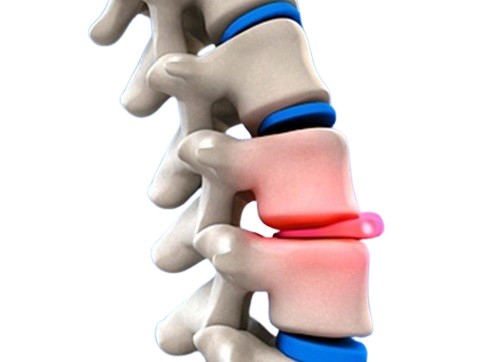
A “slip disc” is commonly used to describe a herniated or prolapsed spinal disc. The discs between the vertebrae act as cushions and help the spine handle everyday movement. When part of a disc bulges or herniates and irritates a nearby nerve, symptoms can develop in the back, neck, buttocks, arms, or legs.
Not every disc problem causes symptoms. In some people, disc changes may be present without causing pain. Therefore, an examination is important before assuming that a disc problem is the cause of your symptoms.
A Slip Disc Specialist in Dilshad Garden can assess your symptoms, perform a physical examination, and determine whether further investigation is required.
Common Symptoms of a Slip Disc
The symptoms can vary depending on the location and severity of the disc problem. Common symptoms may include:
- Lower back or neck pain
- Pain travelling into the leg or arm
- Tingling or pins-and-needles sensations
- Numbness
- Muscle weakness
- Difficulty bending or straightening the back
- Pain that becomes worse with certain movements
- Sciatica-like symptoms when a nerve in the lower back is irritated
When a disc affects a nerve, pain can sometimes travel away from the spine and into the buttock, hip, leg, or foot.
When Should You See a Slip Disc Specialist in Dilshad Garden?
You do not necessarily need specialist treatment for every episode of back pain. Many cases improve with appropriate conservative care and gradual return to normal activities. However, persistent, severe, or recurring symptoms deserve professional evaluation.
Consider consulting a Slip Disc Specialist in Dilshad Garden if:
1. Back Pain Is Not Improving
If your back pain continues for several weeks despite reasonable home care, it is worth getting evaluated.
Persistent pain can have several causes. A specialist can assess whether a disc problem, nerve irritation, muscle strain, or another condition may be responsible.
2. Pain Travels Into Your Leg or Arm
Pain that travels from the back into the leg may indicate nerve irritation. Similarly, a neck disc problem can sometimes cause symptoms extending into the shoulder or arm.
This type of radiating pain should not simply be ignored, particularly when it interferes with walking, working, sleeping, or everyday activities.
3. You Have Numbness or Tingling
Pins and needles, altered sensation, or numbness can occur when a nerve is irritated or compressed.
If these symptoms persist or are getting worse, arrange an assessment with a Slip Disc Specialist in Dilshad Garden.
4. You Notice Muscle Weakness
Weakness is particularly important. For example, you may find it difficult to lift your foot, grip an object, climb stairs, or perform movements that were previously easy.
Progressive weakness requires prompt medical assessment because it can indicate significant nerve involvement.
5. Pain Is Affecting Your Daily Life
Pain that prevents you from sitting, standing, walking, exercising, working, or sleeping can significantly affect your quality of life.
Rather than continuously adjusting your daily routine around the pain, consider getting a professional assessment to understand the underlying problem and available treatment options.
What Can Cause a Slip Disc?
Disc problems can develop for different reasons. Age-related changes can affect the discs over time. Sudden lifting, repetitive physical stress, improper lifting techniques, prolonged inactivity, and other mechanical stresses may also contribute.
Long periods of sitting or driving can also aggravate back symptoms. Maintaining regular physical activity, using proper lifting techniques, and avoiding smoking can support spinal health.
How Is a Slip Disc Diagnosed?
Diagnosis usually begins with a detailed discussion about your symptoms and a physical examination.
The specialist may check your muscle strength, sensation, reflexes, movement, and other signs of nerve involvement. Imaging such as an MRI may be considered when symptoms persist, are severe, or when the clinical assessment suggests that further investigation is needed.
An important point is that an MRI finding should be interpreted alongside your symptoms and examination. A disc abnormality on a scan does not automatically mean it is responsible for your pain.
Slip Disc Treatment: Does Everyone Need Surgery?
No. Surgery is not usually required for a slipped or herniated disc. Many people improve with non-surgical treatment, depending on their symptoms and clinical condition.
Treatment may include:
- Activity modification
- Appropriate medicines for pain and inflammation
- Physiotherapy
- Individualised exercises
- Posture and movement guidance
- Other specialist treatments when appropriate
The goal is to reduce symptoms while helping you return to normal activities safely.
If symptoms remain severe despite non-operative treatment, or if there is worsening neurological impairment, a specialist may discuss additional treatment options. Surgery may be considered in selected cases.
Warning Signs: When Is Immediate Medical Help Needed?
Some symptoms require urgent medical attention rather than waiting for a routine appointment.
Seek emergency medical care if back pain is accompanied by:
- Numbness around the genitals or buttocks
- Loss of bladder or bowel control
- Difficulty starting urination or inability to urinate
- Severe or worsening weakness or numbness in both legs
- Symptoms following a serious accident
These can indicate serious nerve compression and require urgent assessment.
Why Timely Evaluation Matters
Ignoring persistent back and leg symptoms can make everyday activities increasingly difficult. At the same time, assuming that every backache is a slip disc can lead to unnecessary worry.
A professional assessment helps distinguish between different causes of back pain and nerve-related symptoms. It also allows treatment to be based on your individual condition rather than a one-size-fits-all approach.
If you have ongoing symptoms, consulting a Slip Disc Specialist in Dilshad Garden can be a useful step toward understanding your condition and choosing an appropriate treatment plan.
How Can You Support Your Spine?
Along with professional treatment when necessary, simple lifestyle habits can support back health.
Try to remain physically active within your comfort level. Avoid prolonged bed rest unless specifically advised by your healthcare professional. Gentle movement and a gradual return to normal activities can often be helpful.
When lifting objects, use safer lifting techniques and avoid sudden, excessive loads. If you work at a desk, pay attention to your sitting position and take regular movement breaks.
Most importantly, do not continue an exercise or activity that significantly increases your symptoms.
Conclusion
A slip disc does not always require surgery, and not every episode of back pain is caused by a disc problem. However, persistent pain, radiating symptoms, numbness, tingling, or weakness should receive appropriate medical attention.
A Slip Disc Specialist in Dilshad Garden can evaluate your symptoms, identify possible nerve or disc involvement, and recommend treatment according to your condition. Early assessment can help you understand your options and avoid unnecessary delays in care.
If your back or leg pain is interfering with your daily activities or continues to worsen, consider scheduling an evaluation with a qualified spine specialist at Pain X Spine & Joint Clinic.
FAQs
1. What are the most common symptoms of a slip disc?
Common symptoms include back or neck pain, pain radiating into an arm or leg, tingling, numbness, and muscle weakness. Symptoms depend on the location of the affected disc and whether a nerve is irritated.
2. Can a slip disc heal without surgery?
Yes. Many slipped or herniated discs improve with conservative treatment such as appropriate activity, medication, physiotherapy, and exercise. Surgery is generally considered only in selected cases.
3. When should back pain be checked by a specialist?
You should consider medical evaluation when pain does not improve over several weeks, becomes worse, limits daily activities, or is accompanied by numbness, tingling, or weakness.
4. Does every slip disc require an MRI?
No. A specialist can first assess your symptoms and perform a physical examination. An MRI may be recommended when symptoms persist, are severe, or when the examination indicates that imaging could help with diagnosis or treatment planning.
5. Is surgery always required for nerve pain caused by a slip disc?
No. Many cases of nerve-related pain improve without surgery. However, worsening weakness, significant neurological symptoms, or emergency warning signs require prompt medical assessment.
Go to https://painx.co.in/ for more information or to schedule a consultation.