
What Are the Non-Surgical Treatment Options for a Disc Bulge?
A disc bulge can cause back or neck pain, stiffness, tingling, numbness, or pain that travels into the arms or legs when nearby nerves become irritated. Fortunately, many people can improve with conservative care and do not immediately need surgery. Disc Bulge Treatment in Delhi may include medicines, physical therapy, lifestyle changes, activity modification, and selected pain-relief procedures depending on the severity and cause of symptoms.
The right treatment depends on the location of the disc bulge, symptoms, physical examination, and whether a nerve is being compressed. A spine specialist can assess these factors and create an appropriate treatment plan.
For fast information, direct chat with us on WhatsApp
What Is a Disc Bulge?
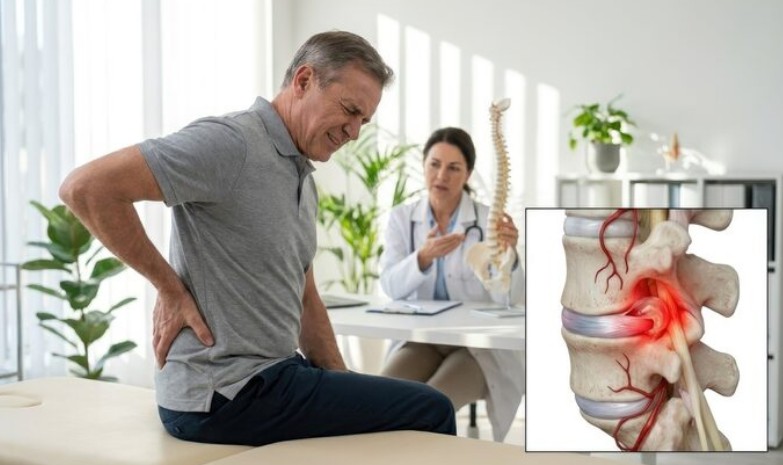
A spinal disc sits between two vertebrae and acts as a cushion that helps the spine move smoothly. With age, repeated strain, poor posture, or other factors, a disc can become weaker and bulge beyond its normal boundary.
A disc bulge does not always cause symptoms. However, if the bulging disc irritates or presses against a nearby nerve, it may cause pain, numbness, tingling, or weakness.
An MRI may sometimes be recommended when symptoms are persistent, severe, or suggest nerve involvement. The decision to perform imaging should be based on the patient’s symptoms and clinical examination.
Can a Disc Bulge Be Treated Without Surgery?
Yes. Many people with disc-related symptoms can initially be managed without surgery. Conservative treatment aims to reduce pain and inflammation, improve movement, strengthen supporting muscles, and help the patient return to normal activities.
According to the American Association of Neurological Surgeons, initial treatment for a herniated disc is generally conservative and may include activity modification, medication, physical therapy, and injections when appropriate.
Therefore, Disc Bulge Treatment in Delhi does not necessarily mean surgery. The treatment approach should be personalised according to the patient’s condition.
1. Physical Therapy for Disc Bulge
Physical therapy is one of the commonly used non-surgical treatment options for disc-related pain. A trained physiotherapist can assess movement, posture, flexibility, and muscle strength before developing an exercise programme.
Depending on the condition, therapy may include:
- Gentle stretching exercises
- Core-strengthening exercises
- Back and neck strengthening
- Posture correction
- Mobility exercises
- Activity modification
- Heat or cold therapy
- Selected manual therapy techniques
The goal is not simply to reduce pain. It is also to improve strength and movement so that the spine can be better supported during daily activities.
2. Medicines for Pain and Inflammation
Doctors may recommend medicines to control pain and inflammation associated with a disc problem. Depending on the patient’s symptoms and medical history, treatment may include pain relievers, anti-inflammatory medicines, or medicines aimed at nerve-related pain.
Medicines should be taken only according to medical advice, especially if the patient has other medical conditions or takes other medicines.
Medication can help control symptoms, but it is often combined with physical therapy and appropriate activity rather than being used as the only long-term solution.
3. Activity Modification and Short-Term Rest
When disc-related pain suddenly becomes worse, temporarily reducing activities that increase symptoms can help. However, prolonged bed rest is generally not recommended because it can contribute to stiffness and muscle weakness.
Instead, patients are usually encouraged to gradually return to comfortable activities as their symptoms improve. Light movement, such as walking, may be useful when tolerated.
For Disc Bulge Treatment in Delhi, a specialist can guide you about which movements should be avoided temporarily and which activities can safely be continued.
4. Posture Correction and Ergonomic Changes
Poor sitting and working habits can increase discomfort in people who already have back or neck problems. Simple ergonomic changes may help reduce unnecessary strain.
Consider:
- Keeping the computer screen at a comfortable height
- Supporting the lower back while sitting
- Avoiding prolonged sitting in one position
- Taking regular movement breaks
- Using correct lifting techniques
- Avoiding repeated bending and twisting when painful
Good posture does not “cure” a disc bulge by itself. However, it can be an important part of an overall treatment and rehabilitation plan.
5. Epidural Steroid Injections
For some patients with significant nerve-related pain, a doctor may consider an epidural steroid injection. The medicine is delivered near the affected spinal nerve to help reduce inflammation and pain.
These injections are not suitable for everyone and should be considered after an appropriate medical assessment. Image guidance may be used to help accurately target the affected area.
In selected patients, injections can provide symptom relief that makes it easier to participate in physical therapy and rehabilitation.
6. Heat, Cold and Supportive Therapies
Heat or cold therapy may provide temporary relief for some people with back or neck pain. Cold may be useful during an acute painful episode, while gentle heat can provide comfort and help with muscle stiffness.
Other supportive therapies may sometimes be included as part of a rehabilitation programme. The choice should depend on the individual’s symptoms and clinical assessment.
7. Lifestyle Changes
Lifestyle habits can also influence spinal health. Maintaining a healthy weight, staying physically active within comfortable limits, avoiding smoking, and developing good lifting and sitting habits can support long-term back health.
A gradual exercise programme can help improve flexibility, muscle endurance, and overall physical function.
The objective of Disc Bulge Treatment in Delhi should not only be short-term pain relief. A good treatment plan should also help the patient return to everyday activities safely and reduce the risk of recurring problems.
When Should You See a Spine Specialist?
You should consider medical evaluation if your pain continues, becomes severe, repeatedly returns, or is associated with numbness, tingling, or weakness.
Urgent medical attention is particularly important if you develop new or worsening weakness, difficulty walking, or loss of bladder or bowel control. These symptoms can indicate significant nerve compression and should not be ignored.
A spine specialist can review your symptoms, perform a physical examination, and determine whether imaging or additional testing is necessary.
When Is Surgery Considered?
Most patients do not need immediate surgery for a disc problem. Surgery may be considered when symptoms remain severe despite appropriate non-surgical treatment, or when there is significant or progressive neurological weakness.
The decision depends on several factors, including the severity and duration of symptoms, neurological findings, imaging results, and response to conservative treatment.
This is why Disc Bulge Treatment in Delhi should begin with an accurate diagnosis rather than assuming that surgery is necessary.
FAQs
1. Can a disc bulge get better without surgery?
Yes. Many people improve with conservative treatment such as physical therapy, medication, activity modification, and time. However, treatment outcomes vary between individuals.
2. Is physical therapy good for a disc bulge?
Physical therapy can help improve mobility, strength, flexibility, and functional movement. A physiotherapist should select exercises according to the patient’s symptoms and condition.
3. How long does non-surgical disc bulge treatment take?
Recovery time varies. Some people improve within weeks, while others may require a longer rehabilitation programme. Persistent or worsening symptoms should be medically evaluated.
4. Can exercise worsen a disc bulge?
Certain movements may increase symptoms, especially during an acute episode. Exercise should therefore be gradual and appropriate for the individual’s condition. A specialist or physiotherapist can recommend suitable exercises.
5. When does a disc bulge require urgent medical attention?
New or worsening weakness, difficulty walking, or loss of bladder or bowel control requires urgent medical assessment because these can indicate significant nerve compression.
Conclusion
A disc bulge does not automatically mean that surgery is required. Many patients can initially benefit from a combination of physical therapy, appropriate medication, activity modification, posture correction, lifestyle changes, and selected injections.
The best Disc Bulge Treatment in Delhi depends on the cause of pain, severity of symptoms, nerve involvement, and overall health. If your back or neck pain is persistent, severe, or associated with numbness or weakness, consult a qualified spine specialist for an appropriate evaluation and personalised treatment plan.
Pain X Spine & Joint Clinic focuses on evaluating spine and joint-related pain and helping patients understand suitable treatment options based on their individual condition.
Go to https://painx.co.in/ for more information or to schedule a consultation.