What Is Sciatica and How Does It Affect the Body?
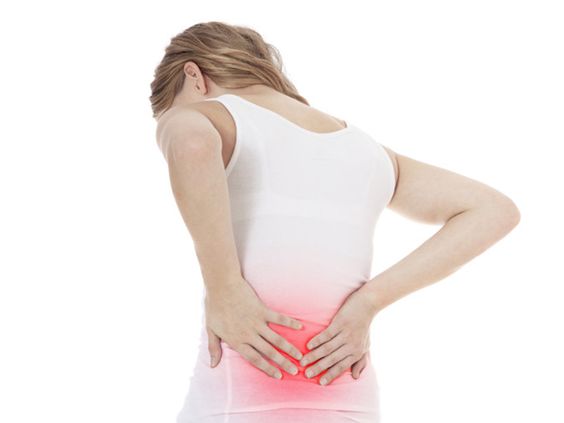
Sciatica is a common nerve-related condition that can cause pain from the lower back or buttock down into the leg. If you are experiencing shooting pain, numbness, tingling, or weakness in your leg, seeking professional guidance can help identify the underlying cause. For people looking for Sciatica Treatment in Dilshad Garden, understanding how sciatica affects the body is an important first step toward appropriate care.
For fast information, direct chat with us on WhatsApp
What Is Sciatica?
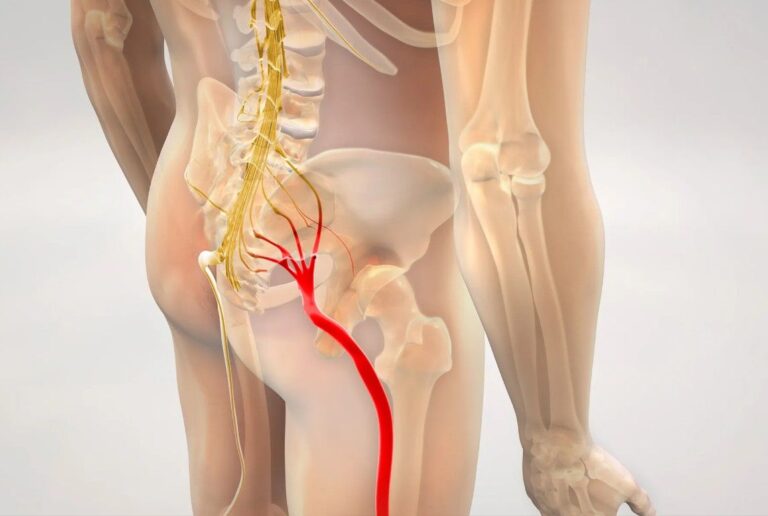
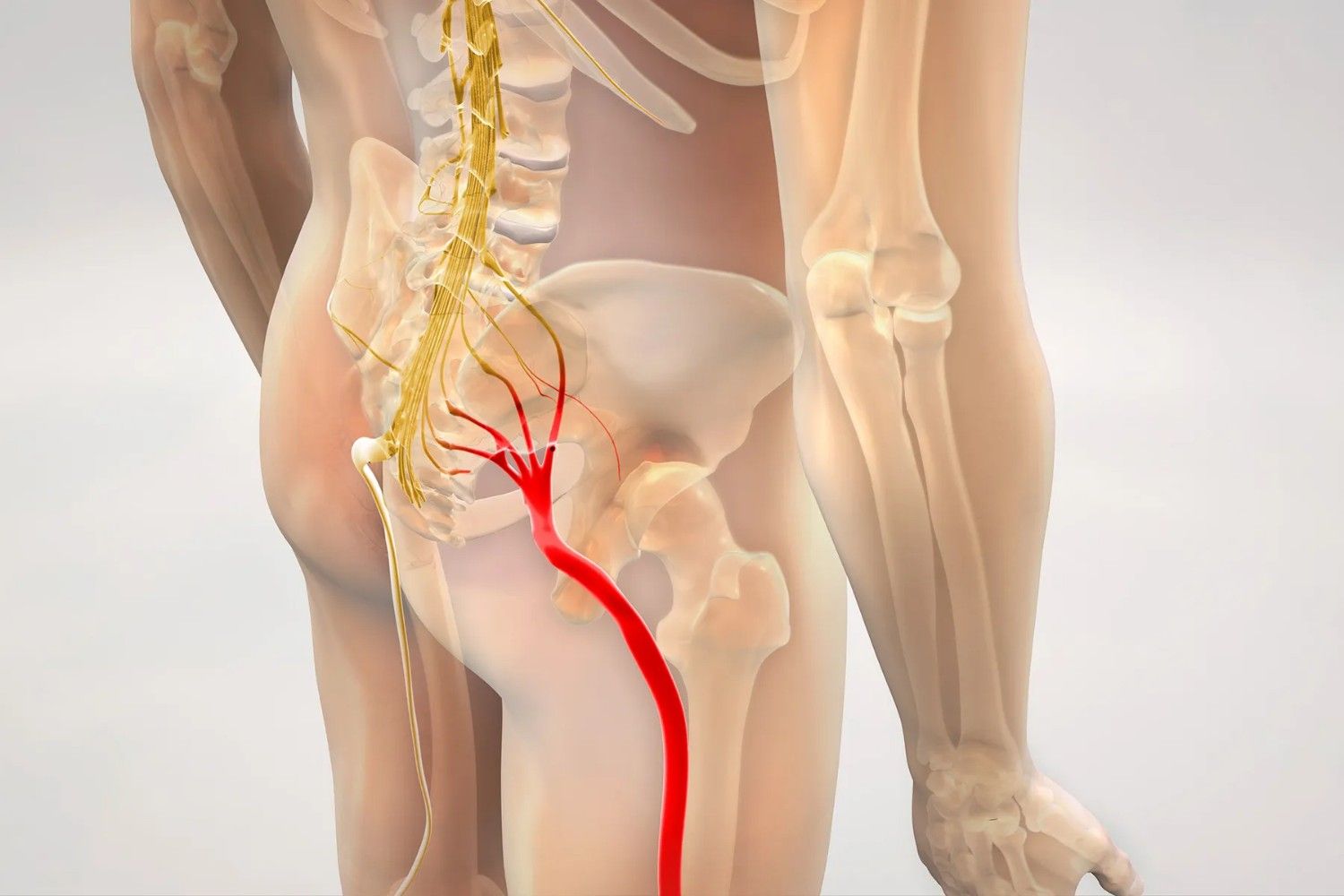
Sciatica describes pain that follows the path of the sciatic nerve. This nerve begins from nerve roots in the lower spine and travels through the buttocks and down each leg.
Sciatica usually occurs when one or more nerve roots in the lower back become irritated or compressed. A herniated disc is one of the common causes. Bone growths and other changes in the spine can also put pressure on the nerve.
Sciatica is not always a disease by itself. Instead, it is a group of symptoms caused by irritation or compression involving the nerves that contribute to the sciatic nerve.
How Does Sciatica Affect the Body?
The most noticeable effect of sciatica is pain that travels along the nerve pathway. It may begin in the lower back or buttock and then extend into the thigh, calf, or foot.
The pain can feel different from person to person. Some people experience a dull ache, while others describe burning, sharp, shooting, or electric-shock-like pain.
Sciatica commonly affects one side of the body. Sitting for a long time, coughing, sneezing, or certain movements may make the symptoms more noticeable.
Besides pain, nerve irritation can also cause:
- Tingling or pins-and-needles sensations
- Numbness in the leg or foot
- Muscle weakness
- Difficulty sitting comfortably
- Difficulty walking or performing everyday activities
The exact symptoms depend on which nerve root is affected and how much pressure or irritation is present.
Common Causes of Sciatica
Several conditions can contribute to sciatica. Understanding the cause is important because treatment should address the underlying problem rather than only temporarily reducing pain.
Herniated Disc
A herniated or slipped disc occurs when part of a spinal disc pushes outward and may irritate or compress a nearby nerve root. This is one of the common causes of sciatica.
Bone Spurs
Age-related changes in the spine can sometimes result in bone overgrowth, commonly called bone spurs. These changes may narrow the space around nerve roots and contribute to nerve compression.
Spinal Changes
Changes such as narrowing around the spinal nerves can sometimes contribute to symptoms similar to sciatica.
Prolonged Sitting and Limited Movement
Spending long periods sitting or remaining physically inactive may increase the risk of some spinal problems. Maintaining regular movement and appropriate physical activity can support overall back health.
Symptoms of Sciatica You Should Not Ignore
Sciatica symptoms can range from mild discomfort to significant pain. Common symptoms include pain that travels from the lower back or buttock into the leg, tingling, numbness, and weakness.
Sometimes, symptoms may improve gradually with conservative care. However, persistent, severe, or worsening symptoms should be evaluated by a healthcare professional.
Immediate medical attention is important if sciatica is accompanied by new severe weakness, significant loss of sensation, or difficulty controlling the bladder or bowel. These symptoms can indicate serious nerve compression.
Sciatica Treatment in Dilshad Garden
The appropriate Sciatica Treatment in Dilshad Garden depends on the cause, severity, duration, and symptoms experienced by the patient.
A doctor may first perform a physical examination. This can include checking muscle strength, reflexes, walking ability, and the response of the affected nerves.
Imaging such as an MRI may be considered when symptoms are severe, persistent, or when there is a reason to investigate possible nerve compression or another spinal problem.
Treatment may include conservative approaches such as:
- Activity modification
- Prescribed medicines when appropriate
- Physical therapy
- Stretching and strengthening exercises
- Posture and movement guidance
- Other targeted treatments depending on the underlying condition
Physical therapy can focus on improving movement, strengthening supporting muscles, and helping reduce the risk of future episodes.
For selected patients whose symptoms do not improve with conservative treatment, a doctor may consider additional options, including injections or surgery. Surgery is generally reserved for specific situations, such as significant or progressive weakness, serious nerve compression, or persistent symptoms despite appropriate non-surgical treatment.
Why Early Evaluation Matters
Ignoring persistent nerve-related pain may make everyday activities more difficult. Pain can affect sitting, walking, sleeping, working, and exercising.
An early evaluation can help determine whether the symptoms are actually caused by sciatica or another condition that may produce similar pain.
For patients seeking Sciatica Treatment in Dilshad Garden, a proper diagnosis is important before starting exercises, medicines, injections, or other treatment.
Can Sciatica Be Prevented?
Not every case of sciatica can be prevented. However, maintaining good back health may reduce the risk of some contributing problems.
Regular physical activity, appropriate strengthening exercises, good posture, and avoiding prolonged periods of inactivity can help support the muscles and structures around the spine.
If you work at a desk, try to maintain a comfortable sitting position and take regular movement breaks. When lifting objects, use safe lifting techniques and avoid unnecessarily twisting the lower back.
When Should You See a Spine Specialist?
You should consider professional evaluation if leg pain continues, becomes severe, keeps returning, or is accompanied by numbness or weakness.
You should seek urgent medical attention if you develop sudden significant weakness, loss of bladder or bowel control, or severe symptoms following major trauma.
A spine specialist can assess your symptoms, identify the possible source of nerve irritation, and recommend an appropriate treatment plan.
Conclusion
Sciatica is a nerve-related condition that can cause pain, tingling, numbness, or weakness extending from the lower back or buttock into the leg. It commonly occurs when nerve roots in the lower spine become irritated or compressed.
The good news is that many cases can improve with appropriate conservative treatment. However, persistent or severe symptoms should not be ignored.
If you are experiencing symptoms of sciatica and looking for Sciatica Treatment in Dilshad Garden, consult a qualified spine specialist for an accurate evaluation and personalized treatment plan. At Pain X Spine & Joint Clinic, professional assessment can help determine the underlying cause of your symptoms and the most appropriate next steps.
FAQs About Sciatica
1. What does sciatica pain feel like?
Sciatica may feel like a sharp, burning, shooting, or electric-shock-like pain. It can travel from the lower back or buttock into the thigh, calf, or foot. Tingling, numbness, or weakness may also occur.
2. Can sciatica affect only one leg?
Yes. Sciatica commonly affects one side of the body. The symptoms may travel along the affected nerve pathway from the lower back or buttock into the leg.
3. Is sciatica always caused by a slipped disc?
No. A herniated disc is a common cause, but other spinal changes, including bone overgrowth, can also contribute to nerve compression and sciatica symptoms.
4. Does sciatica always require surgery?
No. Many people improve with conservative treatment. Surgery may be considered in selected cases, particularly when there is significant or worsening weakness, serious nerve compression, or persistent symptoms despite non-surgical treatment.
5. When should I seek urgent medical attention for sciatica?
Seek immediate medical attention if sciatica is accompanied by new severe weakness, major loss of sensation, or difficulty controlling the bladder or bowel. These can be signs of serious nerve compression.
Go to https://painx.co.in/ for more information or to schedule a consultation.