When Should You Consult a Joint Pain Specialist in Dilshad Garden for Persistent Pain?
Persistent joint pain should not always be treated as a normal part of ageing or daily activity. If pain continues, returns frequently, or affects your movement, consulting the Best Joint Pain Specialist in Dilshad Garden can help identify the underlying cause and guide appropriate treatment. Joint pain may develop because of arthritis, previous injuries, inflammation, overuse, tendon problems, or other musculoskeletal conditions.
For fast information, direct chat with us on WhatsApp
What Does Persistent Joint Pain Mean?
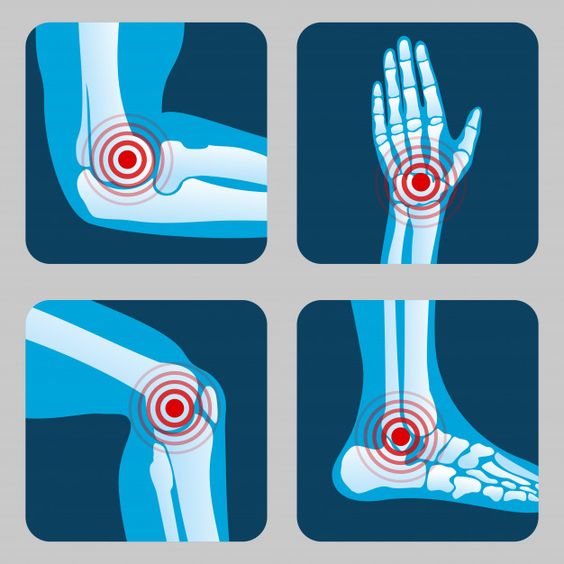
Joint pain can range from mild discomfort to pain that makes normal movements difficult. It may affect the knees, hips, shoulders, wrists, ankles, elbows, or other joints.
Occasional soreness after exercise or unusual physical activity may improve with rest. However, pain that continues for several weeks or gradually becomes worse deserves medical attention.
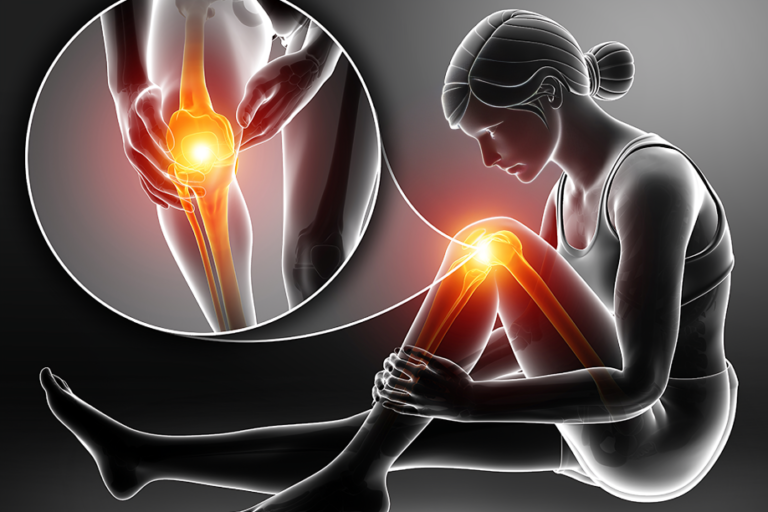
Osteoarthritis, for example, can cause pain during or after movement, stiffness after periods of inactivity, tenderness, reduced flexibility, and swelling.
When Should You Consult the Best Joint Pain Specialist in Dilshad Garden?
There is no single rule that applies to every person. However, persistent or worsening symptoms are important reasons to arrange a consultation.
Consider consulting the Best Joint Pain Specialist in Dilshad Garden if:
- Your joint pain continues despite rest and basic self-care.
- Pain repeatedly comes back after temporary relief.
- You experience persistent joint stiffness.
- Swelling develops around the joint.
- Movement or flexibility has decreased.
- Pain interferes with walking, climbing stairs, sleeping, or daily activities.
- You have difficulty putting weight on the affected joint.
- Joint pain follows an injury and does not improve as expected.
Persistent joint pain or stiffness that does not go away should be medically assessed rather than ignored.
Joint Swelling, Warmth or Redness Should Not Be Ignored
Pain accompanied by swelling, warmth, redness, or tenderness may indicate inflammation or another condition that needs assessment.
For example, rheumatoid arthritis can cause painful, warm, swollen joints and prolonged morning stiffness. It may affect the same joints on both sides of the body.
If these symptoms continue for several weeks, a specialist assessment can help determine whether further investigations are needed.
A consultation with the Best Joint Pain Specialist in Dilshad Garden can be useful when symptoms are persistent, recurrent, or affecting your quality of life.
Common Causes of Persistent Joint Pain
Persistent joint pain can have several possible causes. Some common examples include:
Osteoarthritis
Osteoarthritis develops when the tissues within a joint gradually change and the protective cartilage becomes damaged. It commonly affects the knees, hips, hands, and spine.
Symptoms may include pain with movement, stiffness, tenderness, swelling, and reduced range of motion.
Rheumatoid Arthritis
Rheumatoid arthritis is an inflammatory autoimmune condition. It can cause joint pain, swelling, warmth, and stiffness.
Early evaluation is important because ongoing inflammation can affect joint function and other parts of the body.
Previous Injuries
Old sports injuries, fractures, ligament injuries, or repeated strain can contribute to long-term joint discomfort.
Even an injury that happened years ago may influence joint health later in life.
Overuse and Repetitive Stress
Repeated movements can place additional stress on joints and surrounding tissues. This may be relevant for people whose work, sports, or daily activities involve repetitive physical movements.
Inflammatory or Other Joint Conditions
Not every joint problem is caused by simple wear and tear. Gout, bursitis, tendinitis, inflammatory arthritis, and other conditions can also produce joint pain.
This is why identifying the cause is important before choosing a treatment approach.
Why Early Evaluation Can Be Helpful
Many people wait until joint pain becomes severe before seeking professional care. Delaying an evaluation may allow symptoms to interfere further with mobility and everyday activities.
An assessment by the Best Joint Pain Specialist in Dilshad Garden can begin with a discussion about your symptoms, medical history, previous injuries, activity levels, and how the pain affects your daily routine.
Depending on the symptoms, your doctor may recommend a physical examination or diagnostic tests such as imaging or laboratory investigations.
The goal is not simply to reduce pain temporarily. It is also to understand why the pain is occurring and determine an appropriate management plan.
When Is Joint Pain an Urgent Concern?
Some symptoms require prompt medical attention.
Seek medical care when joint pain is accompanied by significant swelling, redness, warmth, or fever. Sudden severe pain and swelling should also be evaluated.
After an injury, urgent assessment may be necessary if the joint looks deformed, you cannot use it, the pain is severe, or sudden swelling occurs.
These symptoms should not be managed only with home remedies.
What Can You Expect During a Joint Pain Consultation?
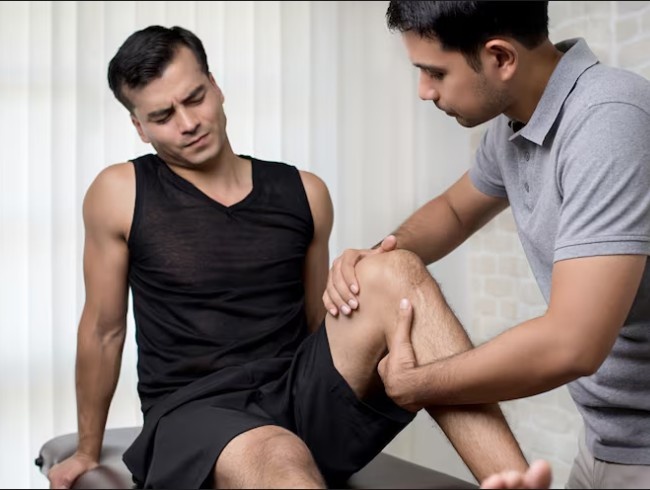
During a consultation, the specialist may ask when the pain started, where it occurs, what makes it better or worse, and whether you have stiffness, swelling, weakness, or other symptoms.
The examination may focus on joint movement, tenderness, swelling, muscle strength, and functional limitations.
Your treatment plan depends on the diagnosis and severity of the problem. Depending on the condition, management may involve activity modification, medicines, physiotherapy, rehabilitation, injections, or other treatments when clinically appropriate.
The Best Joint Pain Specialist in Dilshad Garden should focus on an individualized approach rather than assuming that every joint problem has the same cause.
How Can You Protect Your Joint Health?
Some everyday habits can support joint function and mobility.
Stay physically active within your comfort level and avoid activities that consistently make your symptoms worse. Maintaining a healthy weight can also reduce stress on weight-bearing joints.
Do not repeatedly ignore pain simply because it temporarily improves. If symptoms keep returning, consider getting them evaluated.
It is also important to follow the treatment and exercise recommendations provided by your healthcare professional.
Conclusion
Persistent joint pain can affect much more than physical comfort. It may interfere with walking, work, sleep, exercise, and everyday activities. If your pain continues, keeps returning, or is accompanied by swelling, stiffness, warmth, redness, or reduced movement, professional evaluation can help identify the possible cause.
Consulting the Best Joint Pain Specialist in Dilshad Garden can be an important step toward understanding persistent joint symptoms and choosing an appropriate treatment plan. At Pain X Spine & Joint Clinic, patients can seek professional evaluation for ongoing spine and joint pain and discuss suitable management options based on their individual condition.
FAQs
1. How long should joint pain last before seeing a specialist?
If joint pain does not improve with appropriate rest and basic self-care, or continues for several weeks, it is reasonable to consult a healthcare professional. Persistent pain should not simply be ignored.
2. Is joint pain always caused by arthritis?
No. Joint pain can have several causes, including arthritis, injuries, bursitis, tendinitis, overuse, inflammation, and other medical conditions. An appropriate evaluation can help identify the likely cause.
3. When should joint swelling be checked by a doctor?
Joint swelling accompanied by persistent pain, warmth, redness, tenderness, or fever should be medically evaluated. Sudden severe swelling also requires prompt attention.
4. Can old injuries cause joint pain years later?
Yes. Previous injuries can contribute to later joint problems. Some injuries may increase the risk of degenerative changes or recurring symptoms in the affected area.
5. Can joint pain be treated without surgery?
Treatment depends on the underlying cause and severity. Some joint conditions can be managed with non-surgical approaches such as activity modification, medicines, physiotherapy, rehabilitation, or other appropriate treatments. A specialist can recommend options based on the diagnosis.
Go to https://painx.co.in/ for more information or to schedule a consultation.