How Personalized Joint Pain Treatment Plans Lead to Better Recovery
Joint pain can affect every part of your daily life, from climbing stairs to performing simple household tasks. While many people try over-the-counter medicines or home remedies, these solutions often provide only temporary relief. The real key to lasting improvement lies in understanding the root cause of the pain and creating a treatment plan designed specifically for the individual. If you are looking for the Best joint pain treatment in Delhi, choosing a personalized approach can help reduce pain, improve mobility, and prevent future complications.
For fast information, direct chat with us on WhatsApp
A personalized joint pain treatment plan focuses on identifying the exact cause of pain and creating a customized recovery strategy. It combines accurate diagnosis, medication when needed, physiotherapy, lifestyle changes, and advanced pain management techniques to deliver better outcomes, faster recovery, and long-term joint health.
Why One-Size-Fits-All Treatment Doesn’t Work
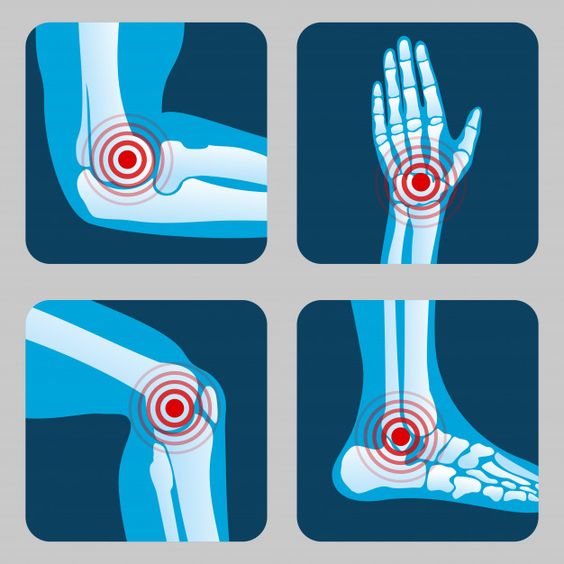
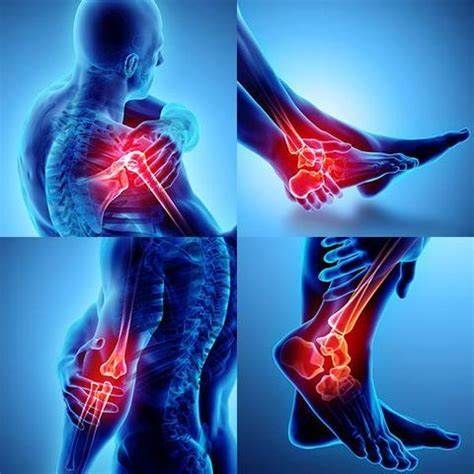
Joint pain is not a disease itself. Instead, it is a symptom that can result from different conditions, including:
- Osteoarthritis
- Rheumatoid arthritis
- Sports injuries
- Tendon or ligament damage
- Bursitis
- Gout
- Nerve compression
- Age-related joint degeneration
Because each condition has different causes, severity, and progression, every patient requires a different treatment strategy. Therefore, using the same treatment for everyone rarely delivers lasting results.
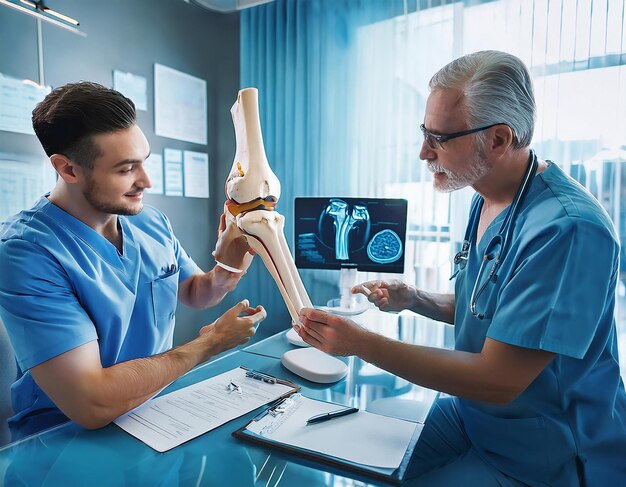
A personalized treatment plan considers your medical history, lifestyle, age, activity level, imaging reports, and overall health before recommending the most suitable treatment.
Why the Best Joint Pain Treatment in Delhi Focuses on Personalization
Leading pain specialists understand that successful recovery begins with accurate diagnosis rather than simply treating symptoms. Consequently, personalized care targets the underlying cause while improving overall joint function.
An individualized treatment plan may include:
- Detailed physical examination
- Digital X-rays or MRI scans
- Blood investigations when necessary
- Functional movement assessment
- Pain severity evaluation
- Lifestyle and occupational analysis
After reviewing these factors, specialists recommend treatments that suit your condition instead of following a generic protocol.
Benefits of a Personalized Joint Pain Treatment Plan
Faster Pain Relief
When doctors identify the exact source of pain, treatment becomes more effective. As a result, patients often experience quicker symptom relief and improved comfort during daily activities.
Better Mobility
Customized rehabilitation programs strengthen supporting muscles, improve flexibility, and restore normal joint movement. Consequently, patients regain confidence in their physical abilities.
Reduced Risk of Recurrence
Treating only the symptoms often leads to recurring pain. However, personalized care addresses the root cause, reducing the chances of future flare-ups.
Improved Quality of Life
Whether you enjoy walking, working, or playing sports, personalized treatment helps you return to your routine with greater comfort and independence.
Safer Treatment Decisions
Every patient responds differently to medications and therapies. Therefore, individualized treatment minimizes unnecessary medications while maximizing effectiveness.
Common Components of Personalized Joint Pain Management
Most comprehensive treatment plans combine multiple approaches rather than relying on a single solution.
Medication Management
Doctors may prescribe anti-inflammatory medications, muscle relaxants, or pain relievers depending on your diagnosis. However, medications usually form only one part of the overall treatment strategy.
Physiotherapy and Rehabilitation
Targeted exercises improve muscle strength, joint stability, posture, and flexibility. Furthermore, supervised rehabilitation speeds recovery while preventing stiffness.
Lifestyle Modifications
Simple lifestyle changes often produce remarkable improvements. Specialists may recommend:
- Weight management
- Regular low-impact exercise
- Healthy nutrition
- Better posture
- Ergonomic workplace adjustments
- Activity modification
These changes reduce unnecessary stress on painful joints.
Advanced Pain Management Procedures
When conservative treatments are insufficient, pain specialists may recommend minimally invasive procedures such as:
- Image-guided joint injections
- Nerve blocks
- Radiofrequency ablation (RFA)
- Regenerative therapies where appropriate
These procedures can significantly reduce pain while improving function without major surgery.
Choosing the Best Joint Pain Treatment in Delhi for Long-Term Results
Selecting the right pain management specialist involves more than finding the nearest clinic. Instead, patients should look for healthcare providers who prioritize individualized care and evidence-based treatment.
Consider these important factors:
- Comprehensive diagnostic evaluation
- Experienced pain management specialists
- Multidisciplinary treatment approach
- Access to advanced pain management procedures
- Personalized rehabilitation programs
- Regular follow-up and progress monitoring
A well-planned treatment journey focuses on long-term improvement rather than temporary symptom control.
Conditions That Benefit Most from Personalized Care
Individualized treatment plans can effectively manage several joint-related conditions, including:
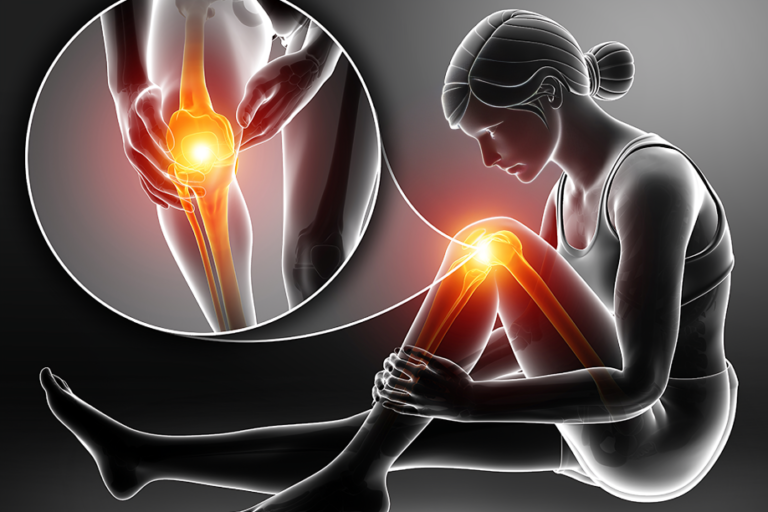
- Knee pain
- Hip pain
- Shoulder pain
- Neck joint disorders
- Back-related joint pain
- Arthritis
- Frozen shoulder
- Sports-related injuries
- Chronic inflammatory joint diseases
Although these conditions differ significantly, personalized care allows specialists to tailor treatments according to each patient’s specific needs.
The Importance of Continuous Monitoring
Recovery does not end after the first treatment session. Instead, regular follow-up appointments allow doctors to monitor progress and adjust treatment whenever necessary.
For example, if pain improves but stiffness remains, rehabilitation exercises can be modified. Similarly, if symptoms change over time, additional investigations may help identify new concerns.
Continuous monitoring ensures that recovery stays on track while minimizing setbacks.
Healthy Habits That Support Recovery
Medical treatment works best when patients actively participate in their recovery. Therefore, specialists often encourage healthy daily habits such as:
- Staying physically active
- Maintaining a healthy body weight
- Following prescribed exercise routines
- Eating an anti-inflammatory diet
- Getting adequate sleep
- Managing stress effectively
- Avoiding prolonged inactivity
Together, these habits improve overall joint health and support long-term pain management.
Conclusion
Recovering from joint pain requires more than temporary symptom relief. It demands a comprehensive understanding of the underlying condition and a treatment plan tailored to your individual needs. Personalized care combines accurate diagnosis, targeted therapies, rehabilitation, lifestyle guidance, and continuous monitoring to achieve better outcomes and lasting relief. If you are searching for the Best joint pain treatment in Delhi, choose a healthcare provider that focuses on customized, evidence-based care rather than a one-size-fits-all approach. The right treatment plan not only reduces pain but also restores mobility, improves daily function, and helps you enjoy a healthier, more active life with greater confidence.
Go to https://painx.co.in/ for more information or to schedule a consultation.